What Is Chinese Baijiu? China’s Iconic Spirit Explained
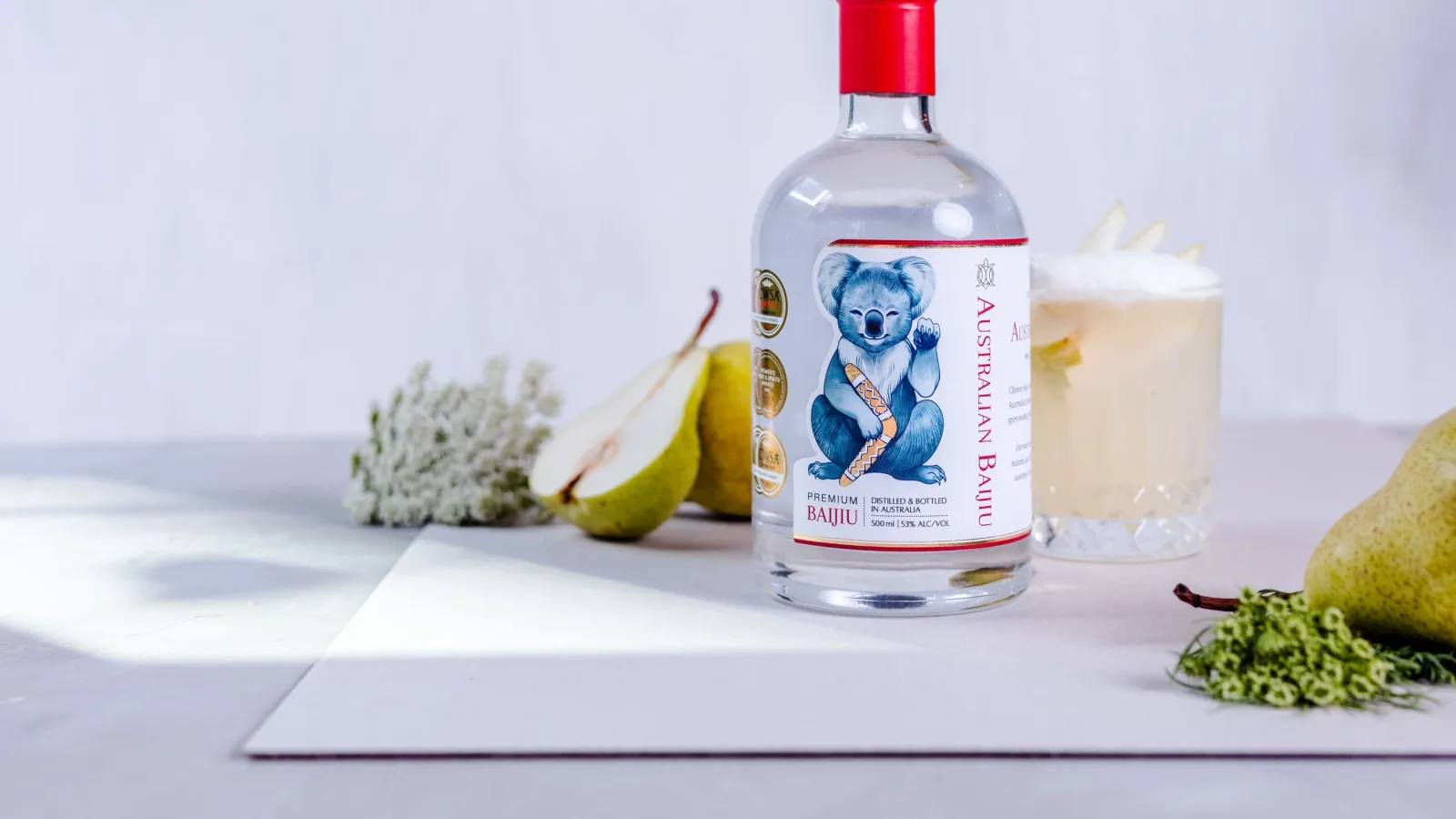
Chinese baijiu is a clear spirit distilled from fermented sorghum and other grains, usually at 35 to 60% ABV, and it is the best-selling spirit in the world by volume. It tastes nothing like vodka. This guide explains the styles, the famous Moutai and how to drink it.
Baijiu (literally “white liquor”) is China’s national spirit, distilled primarily from fermented sorghum, though rice, wheat, and other grains are sometimes used depending on regional style. Thanks to sheer domestic demand, it consistently outsells whisky, vodka, and every other spirits category worldwide, despite limited export presence.
What makes baijiu unusual is its fermentation process: solid-state fermentation using a starter culture called qu, packed with a complex mix of yeasts, moulds, and bacteria, often carried out in underground pits or earthenware jars over weeks or months, far longer than the liquid fermentation used for most Western spirits.
Baijiu is generally grouped into aroma categories rather than aging categories — sauce aroma (jiangxiang), strong aroma (nongxiang), light aroma (qingxiang), and several others — each produced with different techniques and delivering dramatically different flavour profiles, from savoury and umami-rich to floral and clean.
Kweichow Moutai, made using the sauce-aroma method in Guizhou province, is the most famous and valuable baijiu brand globally, regularly cited as one of the most valuable spirits companies in the world by market capitalisation — a reflection of both its cultural status in China and genuine collector demand for aged and limited releases.
For newcomers, baijiu is best approached with an open mind: its fermented, savoury, sometimes soy-sauce-like aromatics are genuinely unlike anything in Western spirits, and it rewards being tasted the traditional way — in small measures, at room temperature, often alongside food.
What is Chinese baijiu?
Baijiu (白酒, “white liquor”) is the best-selling spirit in the world by volume, thanks to its enormous domestic market in China. It is a clear spirit usually bottled between 35 and 60 per cent ABV, with 52 to 53 per cent common for premium styles.
Despite the name, baijiu does not taste like vodka. It is fermented, savoury and fragrant, often with notes of tropical fruit, soy, sesame, aged cheese or flowers. First-time drinkers often find it surprising, which is part of its charm.
How is baijiu made?
Most baijiu uses sorghum, sometimes mixed with rice, wheat, corn or glutinous rice. The grain is steamed, mixed with a mould-based starter called qu, and fermented in pits or vessels. Unlike most spirits, baijiu is fermented as a solid mass rather than in liquid, which is called solid-state fermentation.
The fermented grain is distilled, often several times, and the spirit is then aged in clay jars or stainless steel before blending. Fermentation in old mud pits can add distinctive aromas, which is why some producers treasure their oldest pits.
What are the main aroma styles?
Baijiu is classified by aroma. Sauce aroma (jiangxiang), made famous by Moutai, is savoury, nutty and complex. Strong aroma (nongxiang) is fruity and powerful, such as Luzhou Laojiao and Wuliangye. Light aroma (qingxiang) is clean and delicate, such as Fenjiu. Rice aroma (mixiang) is soft and gentle, from southern China.
If you are new, light aroma is the easiest entry point, while sauce aroma is the most intense and most prized. There are other, rarer styles too, but these four cover most of what you will find.
Why is Kweichow Moutai so famous?
Kweichow Moutai is made in Maotai town in Guizhou province and is China’s best-known baijiu. It is a sauce-aroma baijiu made through a long, multi-stage process and aged for years before blending. Its prestige as a national gift and banquet spirit has made it one of the world’s most valuable spirits brands.
You can see it in our baijiu collection, including the Kweichow Moutai Flying Fairy 53% and Moutai by Camus.
Explore: Shop baijiu
How do you drink baijiu?
Baijiu is traditionally drunk from tiny cups, usually with food. The toast “ganbei” (“dry cup”) is common at banquets, though you can sip rather than finishing every serving. Serve it at room temperature, and take your time to notice how the flavour changes.
Baijiu is also increasingly used in cocktails, where it can add a savoury, fruity layer. Start with small measures, because it is strong.
What food goes with baijiu?
Baijiu was built for Chinese food. Sauce aroma pairs well with rich braised meats and Sichuan dishes, strong aroma with spicy and oily food, and light aroma with seafood and subtle flavours. Drinking it alongside a meal softens its intensity.
If you are curious about other Asian spirits, see our guide to soju, Korea’s most popular spirit.
How should you start with baijiu in Australia?
Begin with a smaller or lower-priced bottle to see whether you like the style, and choose by aroma category. Shui Jing Fang from Chengdu, such as the Red Fortune, is a good way to try a strong-aroma style before moving to premium sauce aroma.
Store bottles upright, away from heat and sunlight. Buyers must be 18 or over, and standard-drink labels will help you keep count.
How is baijiu used in cocktails?
Bartenders use baijiu for its savoury, fruity and funky character. A baijiu Margarita swaps tequila for light-aroma baijiu with lime and orange liqueur. A baijiu Old Fashioned replaces whisky with a bolder baijiu and a touch of sugar. A baijiu Mule uses ginger beer and lime.
Start with a small measure, since the strong flavours can dominate. Lighter, cleaner baijiu works best for mixing, while premium sauce aroma is better sipped neat.
What is the etiquette of drinking and gifting baijiu?
Baijiu is central to Chinese banquets, business meetings and celebrations. It is poured for others first, usually starting with the guest of honour or eldest, and glasses are raised for toasts such as ganbei. You can sip rather than empty the glass each time, especially if you do not want to drink too much.
Premium bottles, especially Moutai, are popular as gifts, often presented in red boxes. If you are giving baijiu, choose a recognised brand and keep the packaging.
How do you avoid fake baijiu?
Counterfeit baijiu, especially of high-value brands such as Moutai, is a known problem. Buy from reputable retailers, check packaging quality, seals, labels and batch codes, and be suspicious of unusually low prices.
Store bottles upright and away from sunlight. Open bottles keep well because of the high alcohol content. Browse genuine bottles in our baijiu collection. Buyers must be 18 or over.
How do you start with baijiu if you have never tried it?
Taste a small amount first and smell it before drinking, because the aroma is often a surprise. Sip rather than shoot, and let it sit on your tongue. Try it with food, since it softens the intensity.
Choose a lighter aroma style for your first try. Many people dislike baijiu the first time and love it later, so give it a few tastings. Take notes on what you smell: fruit, soy, sesame, cheese or flowers.
If you enjoy it, explore the aroma categories one by one. Sauce aroma is a good second step, followed by strong aroma. As always, buyers must be 18 or over.
Buy Baijiu online in Australia
View collection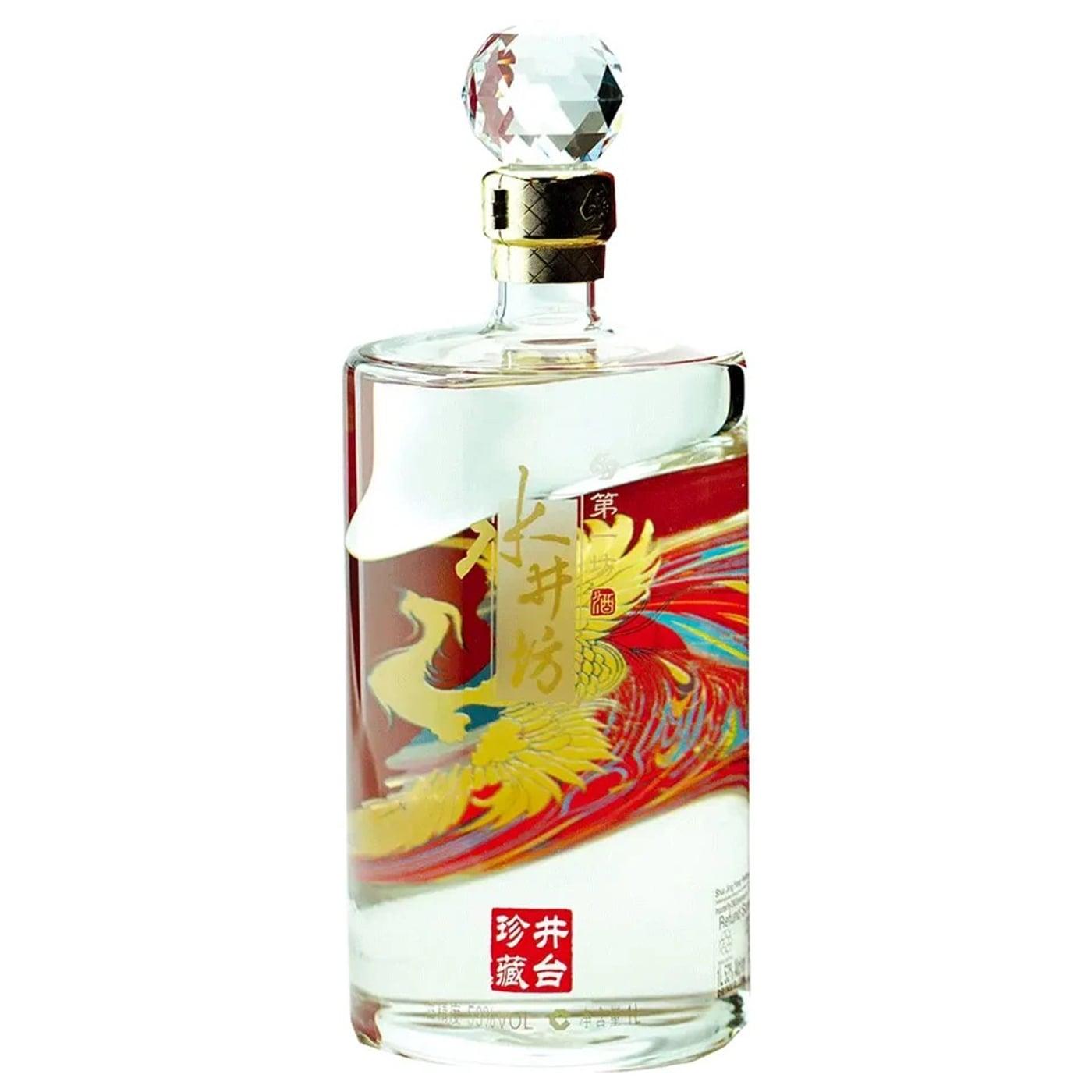
Kweichow Moutai Flying Fairy Baijiu 53% 500ml
The definitive national liquor of China. Distilled in the town of Maotai using organic red sorghum and water from the Chishui River. Fermented 8 times and aged in porcelain jars. Searching for kweichow moutai 500ml? This page lists the price, size and insured delivery details.
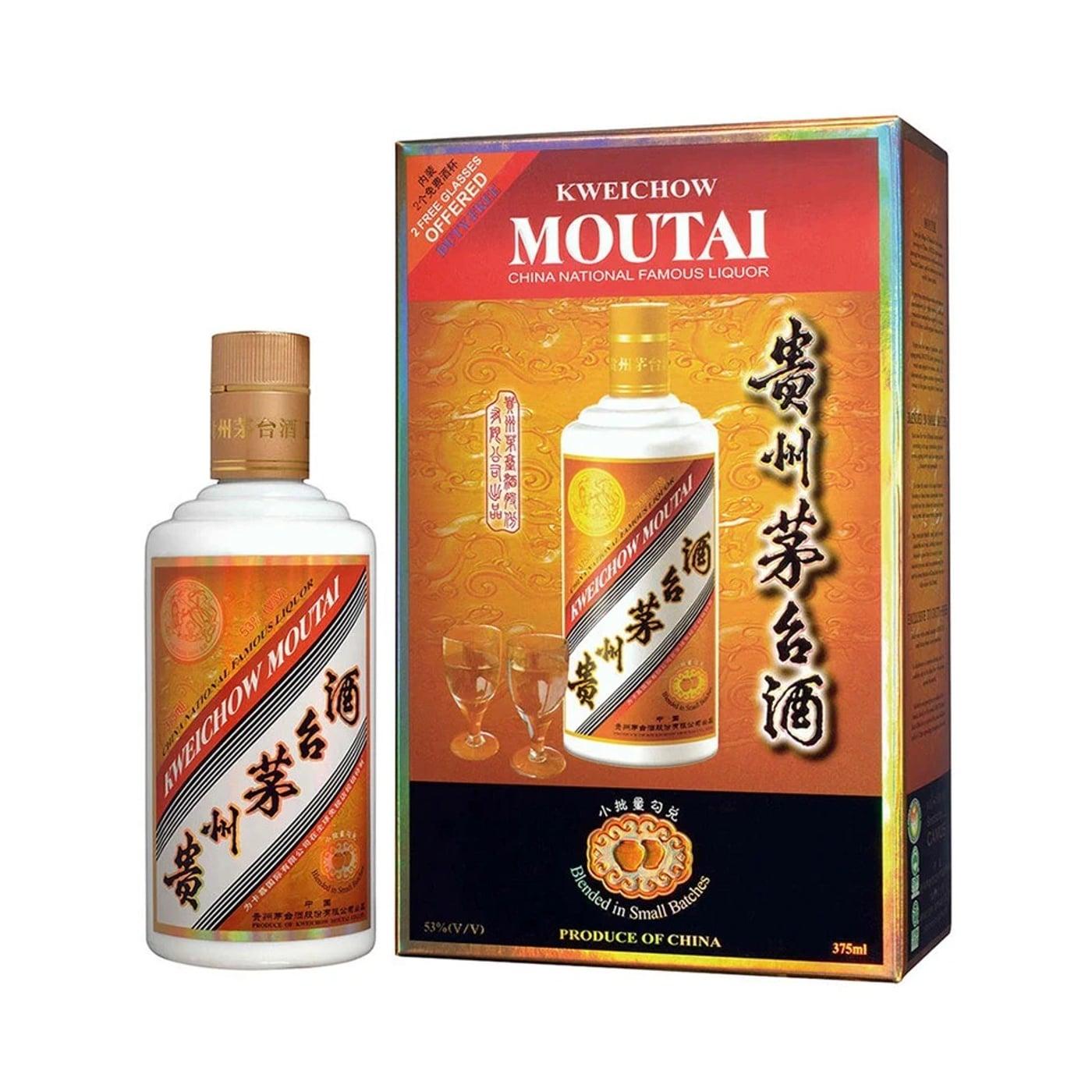
Moutai By Camus Baijiu
Moutai By Camus Baijiu (500ml) is a baijiu from Moutai, made in China. Buy it online from Doctors of Whisky with insured delivery across Australia.
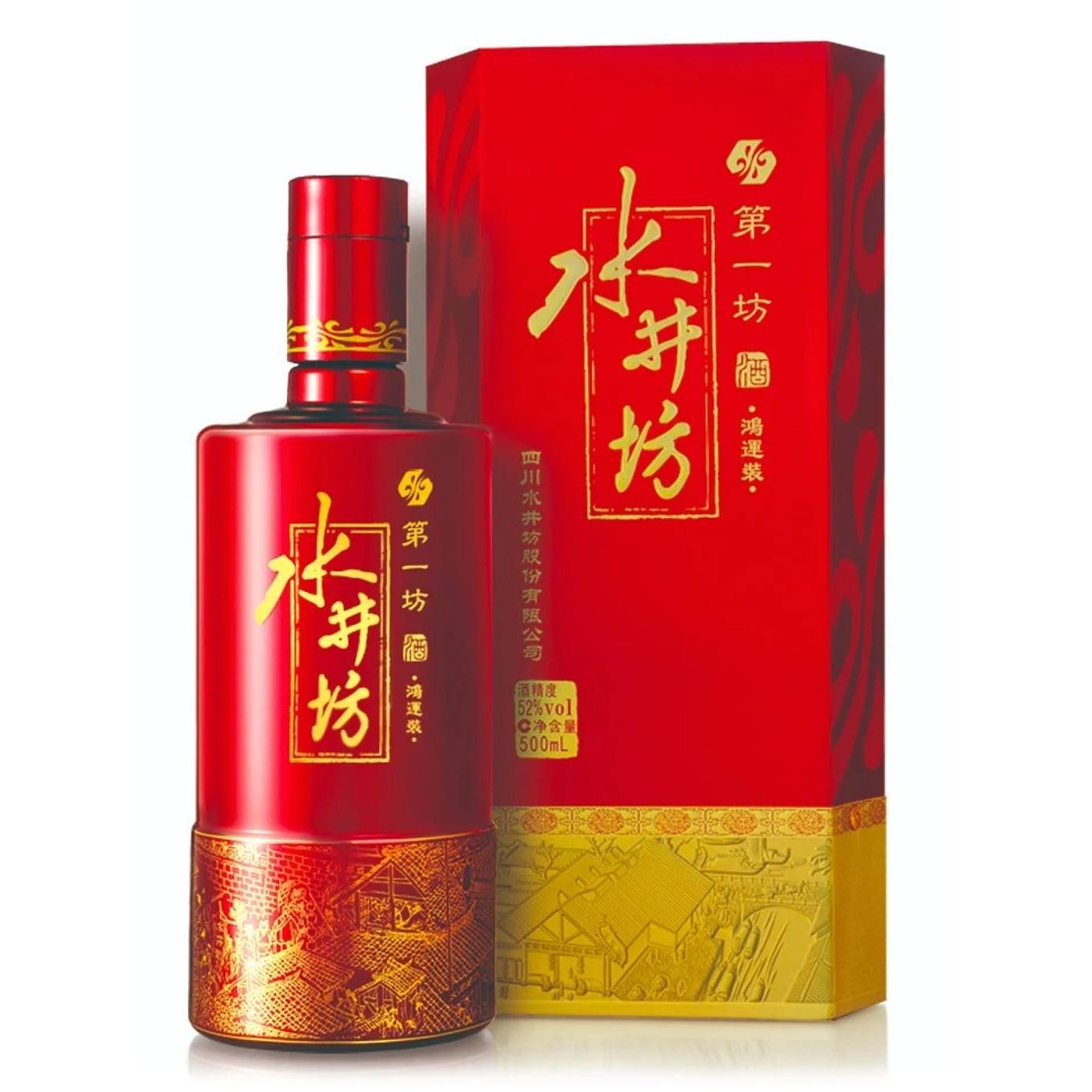
Shui Jing Fang Red Fortune Baijiu
Shui Jing Fang Red Fortune Baijiu (500ml) is a baijiu from Shui, made in China. Buy it online from Doctors of Whisky with insured delivery across Australia.
Frequently asked questions
What is baijiu?
Baijiu is a Chinese spirit distilled from fermented grains such as sorghum, using a mould starter called qu. It is usually 35 to 60% ABV.
What does baijiu taste like?
Baijiu is savoury and fragrant, with notes that vary by style, from tropical fruit and flowers to soy, sesame and aged cheese.
Is baijiu the same as vodka?
No. Vodka is a neutral, filtered spirit, while baijiu is fermented in a distinct way and carries strong flavour.
What is Moutai?
Kweichow Moutai is a famous sauce-aroma baijiu made in Maotai town, Guizhou province, China.
How do you drink baijiu?
Sip it from small cups at room temperature, usually with food. The traditional toast is ganbei.
How strong is baijiu?
Baijiu is typically between 35% and 60% ABV, with many premium bottles at 52 to 53%.
Related searches: baijiu chinese drink
Popular searches and tags
Sources and further reading
Related guides
Baileys Irish Cream, Kahlúa and the Best Cream and Coffee Liqueurs
4 min read
Lark Whisky and the Rise of Australian Single Malt
6 min read
Bourbon and Whiskey: What Makes Bourbon Different?
5 min read
Australian Beer: Australian Lager, VB and the Craft Brands to Know
5 min read
Cabernet Red Wine, Merlot and Grenache: Red Wine Grapes Explained
5 min read
What Is Vermouth? Sweet Vermouth, Dry Vermouth and How to Use Them
5 min read