Red Wine Varieties: How to Choose the Right Red Wine
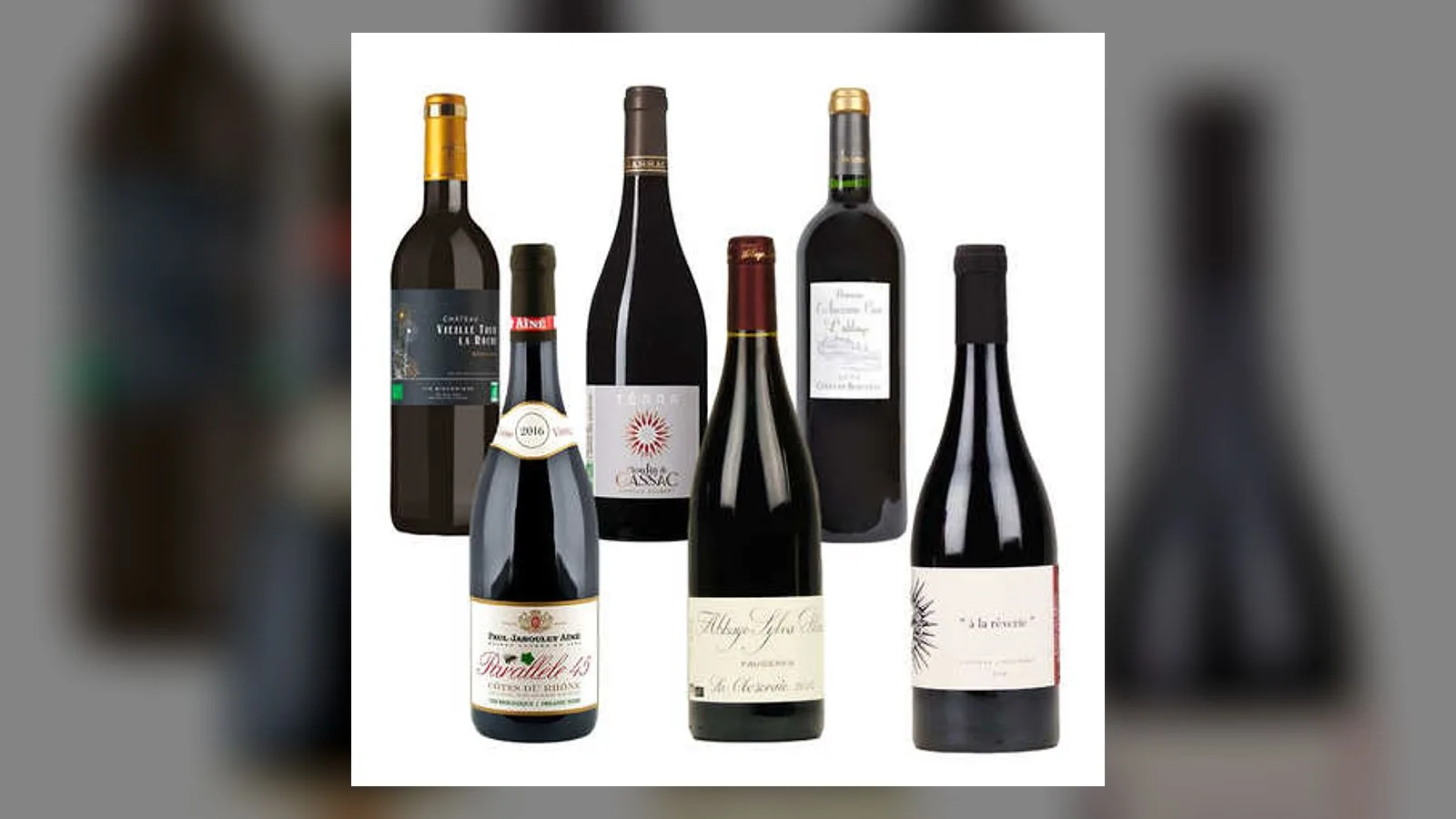
The single most useful lens for choosing red wine is body — light, medium, or full — which tells you more about how a wine will actually drink than the grape variety alone. Light-bodied reds like Pinot Noir are delicate and food-friendly; full-bodied reds like Shiraz and Cabernet Sauvignon are bolder and better suited to rich food or slow sipping on their own.
Australia’s red wine identity is built heavily around Shiraz, particularly from the Barossa Valley and McLaren Vale, where old vines and warm, dry conditions produce deeply concentrated, full-bodied wines with dark fruit, pepper, and chocolate notes — Penfolds Grange being the most famous international benchmark for the style.
Tannin is the other key variable: it’s the drying, slightly bitter sensation on the palate from grape skins and oak aging, and it softens with time in the bottle. A young, tannic Cabernet can benefit enormously from decanting or a few more years of cellaring, while a soft, fruit-forward wine is usually ready to drink immediately.
For gifting or special occasions, look for wines with strong critic scores, limited production, or well-known vintage years — but for everyday drinking, matching body and tannin to the meal (or the mood) will get you a better result than chasing a famous label alone.
How do you choose a red wine?
Start with body, which describes how heavy the wine feels. Light reds such as Pinot Noir feel delicate, medium reds such as Merlot are balanced, and full-bodied reds such as Shiraz and Cabernet Sauvignon feel rich and powerful. Then consider tannin, the drying grip from grape skins and oak. Low-tannin reds feel soft, and high-tannin reds feel firm.
Match the wine to the occasion. A light or medium red suits relaxed meals, while a full-bodied red suits grilled meat, hearty stews and long dinners. If you are unsure, choose a medium-bodied red with soft tannins.

Is Shiraz sweet or dry?
Shiraz is dry. The fruit flavours, such as blackberry, plum and sometimes chocolate, can taste sweet, but the wine usually has little residual sugar. Syrah is the same grape, usually in a more peppery, savoury, cooler-climate style.
Barossa Valley and McLaren Vale produce big, ripe, concentrated Shiraz, while cooler regions such as the Yarra Valley and Canberra make more elegant, spicy examples. Browse our red wine collection for Australian options, including Penfolds Grange 2018, the country’s most famous Shiraz.
Explore: Shop red wine
What does Cabernet Sauvignon taste like?
Cabernet Sauvignon is full-bodied and structured, with blackcurrant, cedar and sometimes mint or capsicum notes, and firm tannins. Coonawarra and Margaret River are the Australian benchmarks. The wine often ages well, and it is the classic partner for steak and lamb.
Try the Alexander Hill Cab Sav if you want a Cabernet at an approachable price.
What is Merlot and Malbec like?
Merlot is softer and plumper than Cabernet, with red plum, cherry and chocolate and gentler tannins. It is a good all-rounder and a good place to start if you are new to red wine. See Alexander Hill Merlot.
Malbec, from Argentina and increasingly Australia, is dark and juicy with blackberry, violet and a velvety texture. It pairs well with barbecued meat.
Is there a sweet red wine?
Yes, though most red wine is dry. Lambrusco, a lightly sparkling Italian red, is often off-dry and is easy to drink. Port and other fortified wines are sweet, and some Australian reds labelled “sweet red” are blended with a touch of sugar.
If you prefer a sweeter style, look for the words “off-dry”, “semi-sweet” or “sweet” on the label, and ask for fruit-forward wines. You will find Don Camillo Lambrusco in our range.
How do you read an Australian wine label?
The label shows the producer, the grape variety, the vintage (year) and the region. Under Australian labelling rules, if a variety, region or vintage is stated, at least 85 per cent of the wine must come from that variety, region or year. “Blend” or multiple varieties, such as Shiraz Cabernet, list the main grape first.
The ABV, standard drinks and allergen statements, such as sulphites, also appear. Wines labelled “South Eastern Australia” come from a broad region, while specific regions such as Barossa Valley signal more place-specific character.
How should you serve and store red wine?
Serve most red wine at 16 to 18 degrees, slightly cooler than a warm room. In summer, chill it briefly. Open full-bodied reds 30 to 60 minutes before serving, or decant to soften tannins.
Store bottles on their side in a cool, dark place at a stable temperature. For a bottle to give as a gift, look for a recognised producer and a gift box. If you plan to cellar wine, our whisky storage guide covers many of the same principles. Buyers must be 18 or over.
What do tannin, acidity and body mean?
Tannin is the dry, grippy feeling from grape skins, seeds and oak. Acidity is the freshness that makes your mouth water. Body is the weight or richness of the wine on your palate. Alcohol, sweetness and fruit intensity all affect body.
Understanding these makes choosing easier. If you like soft, round wines, look for low tannin and medium body. If you like firm, structured wines, choose higher tannin, such as Cabernet Sauvignon.
What food goes with red wine?
Cabernet Sauvignon suits steak and lamb, because the tannins soften with protein and fat. Shiraz suits barbecue, spicy sausages and hearty stews. Merlot suits roast chicken and mushrooms, and Pinot Noir suits duck, salmon and mushroom dishes. Lighter reds such as Sangiovese pair with pizza and tomato pasta.
As a rule, the richer the dish, the more full-bodied the wine. Spicy food can make high-alcohol wines taste hotter, so choose fruit-forward, low-tannin reds.
How do you taste wine, and what do scores mean?
Look at the colour, swirl to release aromas, smell for fruit and oak, then take a sip and notice sweetness, acidity, tannin and finish. A long, balanced finish usually means higher quality.
Critics score wine out of 100, and in Australia the Halliday Wine Companion and other guides are widely followed. A score of 90 or above is generally considered excellent, but personal taste matters more than any number. If you plan to cellar bottles, our guide to storing whisky covers many of the same storage principles.
How do you build a small red wine collection?
Start with one light, one medium and one full-bodied red, such as Pinot Noir, Merlot and Shiraz, so you have a bottle for most meals. Add a Cabernet Sauvignon for steak nights, and a special bottle for celebrations.
Store wine on its side in a cool, dark place at a steady temperature. You do not need a cellar: a cupboard away from heat works for wines you will drink within a year. Buy by the case if you find a wine you like, since bulk buying is often cheaper. Keep a note of what you drink and enjoy, which helps you buy better next time.
Buy Red Wine online in Australia
View collection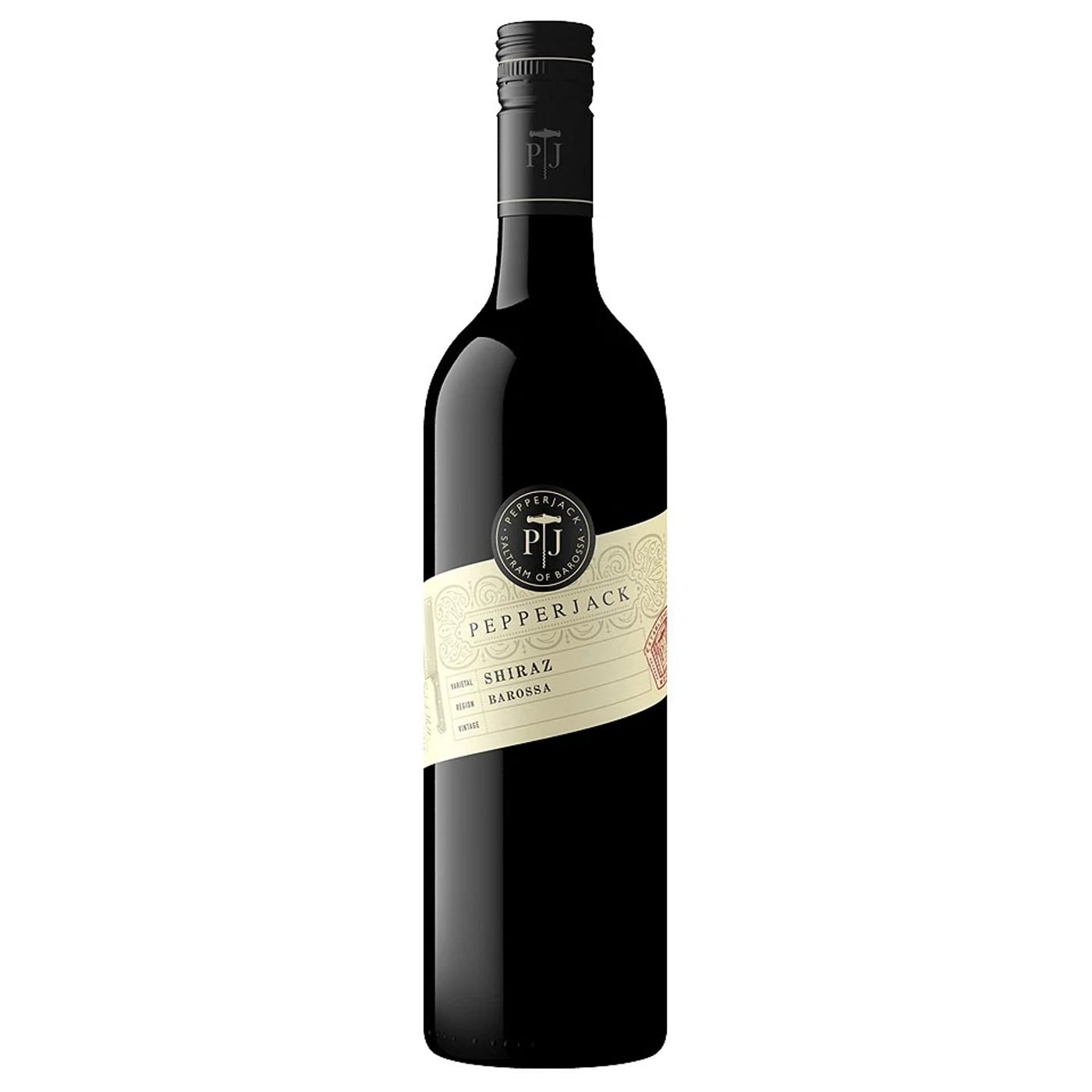
Penfolds Grange 2018 Shiraz 750ml (Gift Box)
Penfolds Grange 2018 Shiraz 750ml (Gift Box): Australia’s most celebrated heritage wine. 97% Shiraz and 3% Cabernet Sauvignon aged in 100% new American oak hogsheads for 18 months. 100-point collector rating potential.
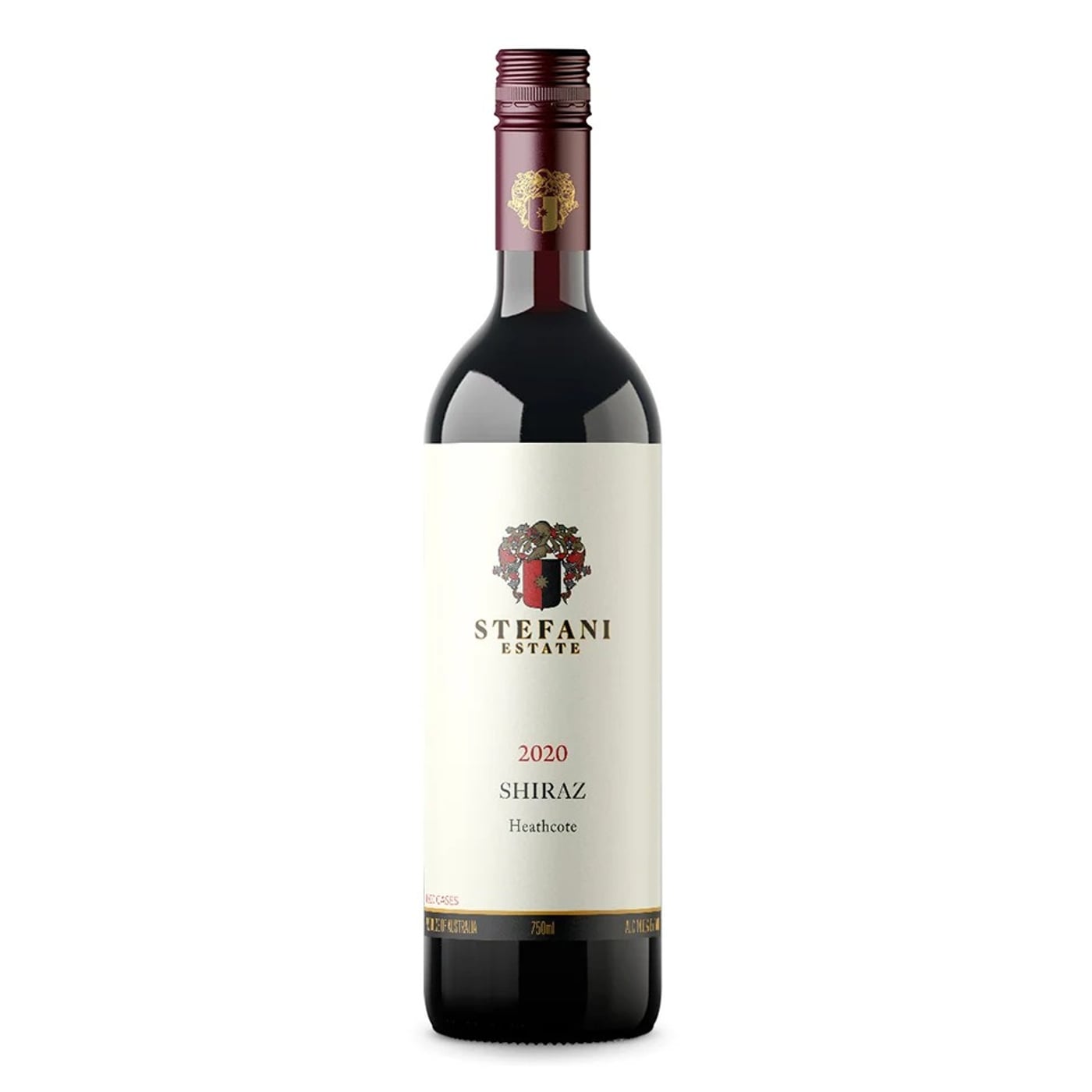
Stefani Estate Shirazcopy Red Wine
Stefani Estate Shirazcopy Red Wine (750ml) is a red wine from Stefani, made in Australia. Buy it online from Doctors of Whisky with insured delivery across Australia.
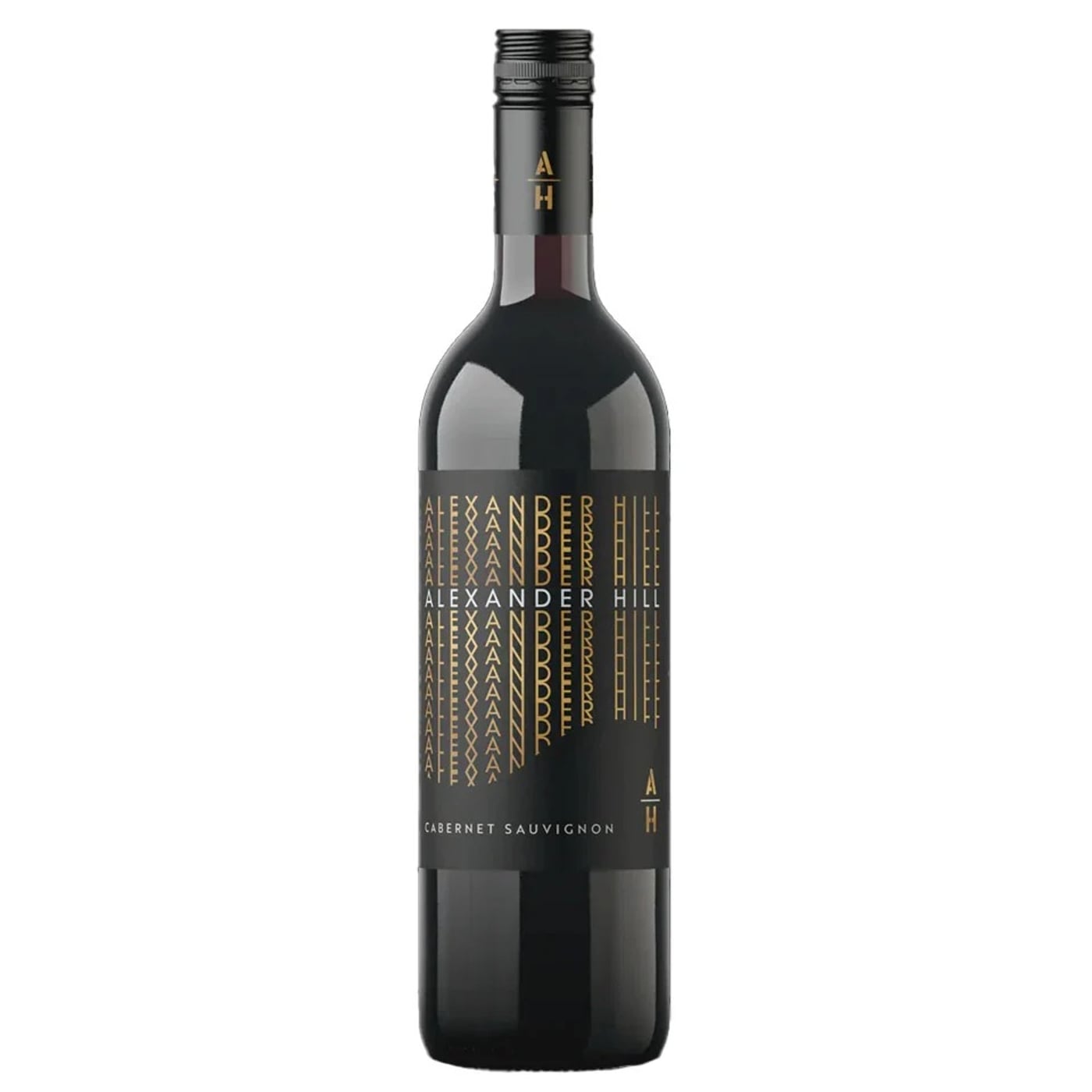
Alexander Hill Cab Sav Red Wine
Alexander Hill Cab Sav Red Wine (750ml) is a red wine from Alexander, made in Australia. Buy it online from Doctors of Whisky with insured delivery across Australia.
Frequently asked questions
Is Shiraz a sweet or dry wine?
Shiraz is a dry wine. It tastes fruity and rich, but it usually contains little residual sugar.
What is the difference between Shiraz and Cabernet Sauvignon?
Shiraz is fruity, spicy and plush, while Cabernet Sauvignon is more structured and tannic, with blackcurrant and cedar notes.
What is a good red wine for beginners?
Merlot and soft Shiraz are good starting points because they have approachable fruit flavours and gentle tannins.
Is there a sweet red wine?
Yes. Lambrusco and fortified wines such as Port are sweeter, though most red wine is dry.
What temperature should red wine be served?
Most red wine is best served at about 16 to 18 degrees Celsius, slightly below room temperature.
Do I need to decant red wine?
Full-bodied or young red wines benefit from decanting or breathing for 30 to 60 minutes, but it is not essential for light or mature wines.
Related searches: shiraz wine
Popular searches and tags
Sources and further reading
Related guides
Sparkling Rosé and Everything You Need to Know About Rosé Wine
4 min read
Prosecco Guide: Prosecco for Aperol Spritz, Prosecco Rosé and Mimosas
6 min read
What Is Rye Whiskey? A Beginner’s Guide to Rye
5 min read
Pinot Grigio vs Pinot Gris: Pinot Grigio from Italy Explained
5 min read
White Wine Sauvignon Blanc: Styles, Low Alcohol Options and Food Pairing
5 min read
Pink Gin and Soda: What Is Pink Gin and How Do You Serve It?
5 min read