Sparkling Rosé and Everything You Need to Know About Rosé Wine
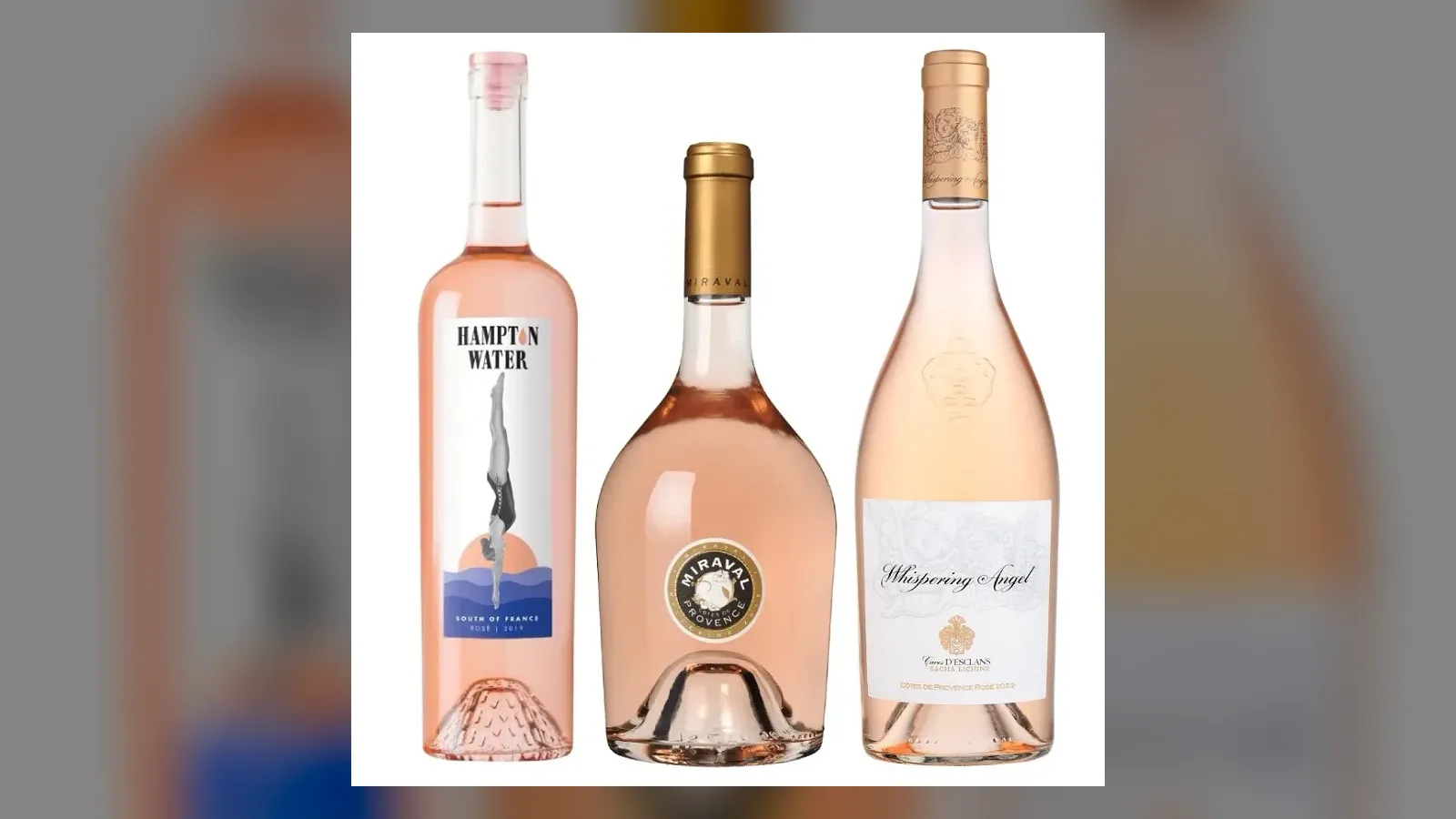
Sparkling rosé and still rosé are made from red grapes with brief skin contact, which gives the pink colour. Rosé can be dry, fruity or sweet, so colour is not a guide. Here is how rosé is made, the main styles and how to serve and pair it.
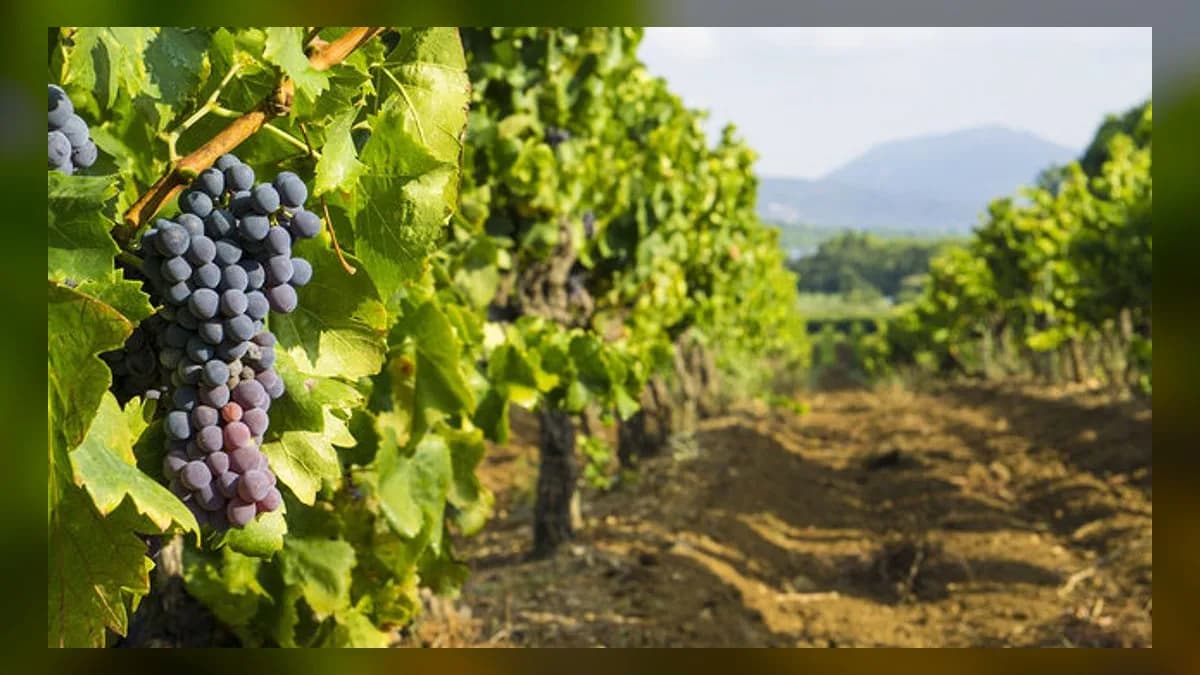
Contrary to popular belief, most rosé is not made by blending red and white wine together (that’s actually prohibited in most European wine regions, including Provence). Instead, rosé gets its colour from limited skin contact — red grape skins are left in contact with the juice for just a few hours to a couple of days, enough to tint the wine pink without extracting the full tannin and colour of a red wine.
The other common method, saignée, involves “bleeding off” a portion of pink juice early during a red wine fermentation, which simultaneously concentrates the remaining red wine and produces a rosé as a byproduct — though most premium rosé today is made intentionally, not as a side effect.
Provence in southern France remains the global benchmark for pale, dry rosé, typically made from Grenache, Cinsault, and Syrah, prized for its delicate strawberry and citrus notes and famously pale pink colour. Australian rosé, often made from Shiraz or Grenache, tends to run slightly bolder and fruitier in style.
Rosé is best served well-chilled and drunk young — unlike most red and many white wines, it’s generally not intended for cellaring, and its bright, fresh fruit character is at its best within a year or two of the vintage date.
What is rosé wine?
Rosé is a pink wine made from red grapes. The pink colour comes from brief contact between the grape juice and the grape skins, which hold the pigment. The longer the skin contact, the deeper the colour, and winemakers control it precisely.
Rosé is made all over the world, from Provence and the Rhône in France to Spain, Italy, the United States and Australia. It is made as still wine, sparkling wine and sweet or off-dry wine, so the word on its own tells you little about style.
How is rosé made?
There are three main methods. In direct press, red grapes are crushed and pressed quickly so only a little colour is extracted. In maceration, the juice stays in contact with skins for a few hours before pressing. In saignée (“bleeding”), some pink juice is run off early from a red wine fermentation, which concentrates the red and gives a bonus rosé.
Blending red and white wine is generally not allowed in quality still rosé. Champagne is a famous exception, where blending still red wine into white base wine is permitted. Laurent-Perrier’s Cuvée Rosé is made by maceration instead, which is rare and prized.
Is rosé wine dry or sweet?
It can be either. Provence-style rosé is pale, bone-dry and crisp, with flavours of strawberry, citrus and herbs. Many New World and Portuguese rosés are fruitier and off-dry. White Zinfandel and Moscato rosé are noticeably sweet.
The colour is not a reliable guide. Look at the tasting notes, region and style on the label, or search for “dry rosé” if you want crisp and savoury. Cruse Rosé Dry is an example of a dry style, while Mateus Rosé, the famous Portuguese flask-shaped bottle, is off-dry and lightly fizzy.
Explore: Shop rosé wine
What is sparkling rosé?
Sparkling rosé combines the fruit of rosé with bubbles. It is made by the traditional method, with a second fermentation in the bottle as in Champagne, or by the tank method, as in many Prosecco-style wines. It tastes of red berries, with crisp acidity and a creamy mousse.
It is a popular choice for celebrations, brunch and gifting. Chandon Sparkling Rosé comes from Domaine Chandon in Australia’s Yarra Valley, Moët Rosé Impérial is a Champagne, and Laurent-Perrier Cuvée Rosé is one of the most famous Champagne rosés.
Explore: Shop sparkling wine
What food goes with rosé?
Rosé is one of the most food-friendly wines. Dry rosé suits salads, grilled seafood, charcuterie, Mediterranean dishes and light curries. Fuller rosés match barbecue chicken and pork, and sparkling rosé works with sushi, canapés and fried food.
It is also the classic wine for hot weather and long lunches, because it is refreshing and light but has more body than many whites.
How should you serve rosé?
Serve rosé well chilled, at 8 to 10 degrees. Take it out of the fridge a few minutes before pouring if it is very cold. Use a white wine glass for still rosé and a flute or tulip glass for sparkling.
Most rosé is made to be enjoyed within one to two years of the vintage, because freshness is the point. Store unopened bottles in a cool, dark place, and refrigerate opened bottles with a stopper for two to three days. Compare with other styles in our white wine guide.
How do you choose and buy rosé?
Decide the occasion first. For a picnic or barbecue, choose a dry still rosé. For celebrations, choose a sparkling rosé. For casual sipping, a fruity off-dry rosé is easy to enjoy. Check the vintage and drink the latest one you can find.
See the full range in our rosé wine collection. Buyers must be 18 or over, and standard drinks are shown on every label.
Which regions are famous for rosé?
Provence in France is the benchmark for pale, dry rosé from Grenache, Cinsault and Syrah. Tavel, in the Rhône Valley, makes deeper, fuller rosé. Spain produces rosado, often from Garnacha in Navarra, and Italy’s rosato ranges from light to robust.
In Australia, McLaren Vale, the Barossa and Victorian regions make rosé from Grenache, Shiraz, Sangiovese and other grapes. Each region shows a different style, from delicate and savoury to bold and fruity.
How do you make rosé drinks for summer?
A rosé spritz is simple: rosé, soda water and ice, with berries or a slice of citrus. Frosé is frozen rosé blended into a slushy. Sangria rosada uses rosé, brandy, fruit and a splash of lemonade, and a rosé and lemonade jug suits parties.
Use a dry, crisp rosé for mixed drinks, and keep the expensive bottles for sipping. For more refreshing ideas, see our guide to ready-to-drink premixes.
What are the common rosé myths?
Rosé is not just for summer: it suits food year-round. Rosé is not always sweet: many of the best are bone-dry. Rosé is not made by mixing red and white wine in most regions. And darker colour does not mean sweeter or lower quality: it reflects grape variety and skin contact.
Finally, not all rosé should be drunk young. Some richer rosés, and sparkling rosé Champagne, can age for years.
How do you pair rosé with food in more detail?
Pale, dry rosé suits seafood salads, grilled prawns, Niçoise salad and goat’s cheese. Medium-bodied rosé suits barbecued chicken, pork and Mediterranean vegetables. Darker, fruitier rosé suits pizza, burgers and lightly spiced dishes. Sparkling rosé is excellent with canapés, sushi and fried food.
Because rosé combines the freshness of white wine with some red-wine structure, it is a safe choice when guests are eating different dishes. If you want a more refreshing, lower-alcohol option, try a rosé spritz. For other summer drinks, see Australian craft cider.
Buy Rosé Wine online in Australia
View collection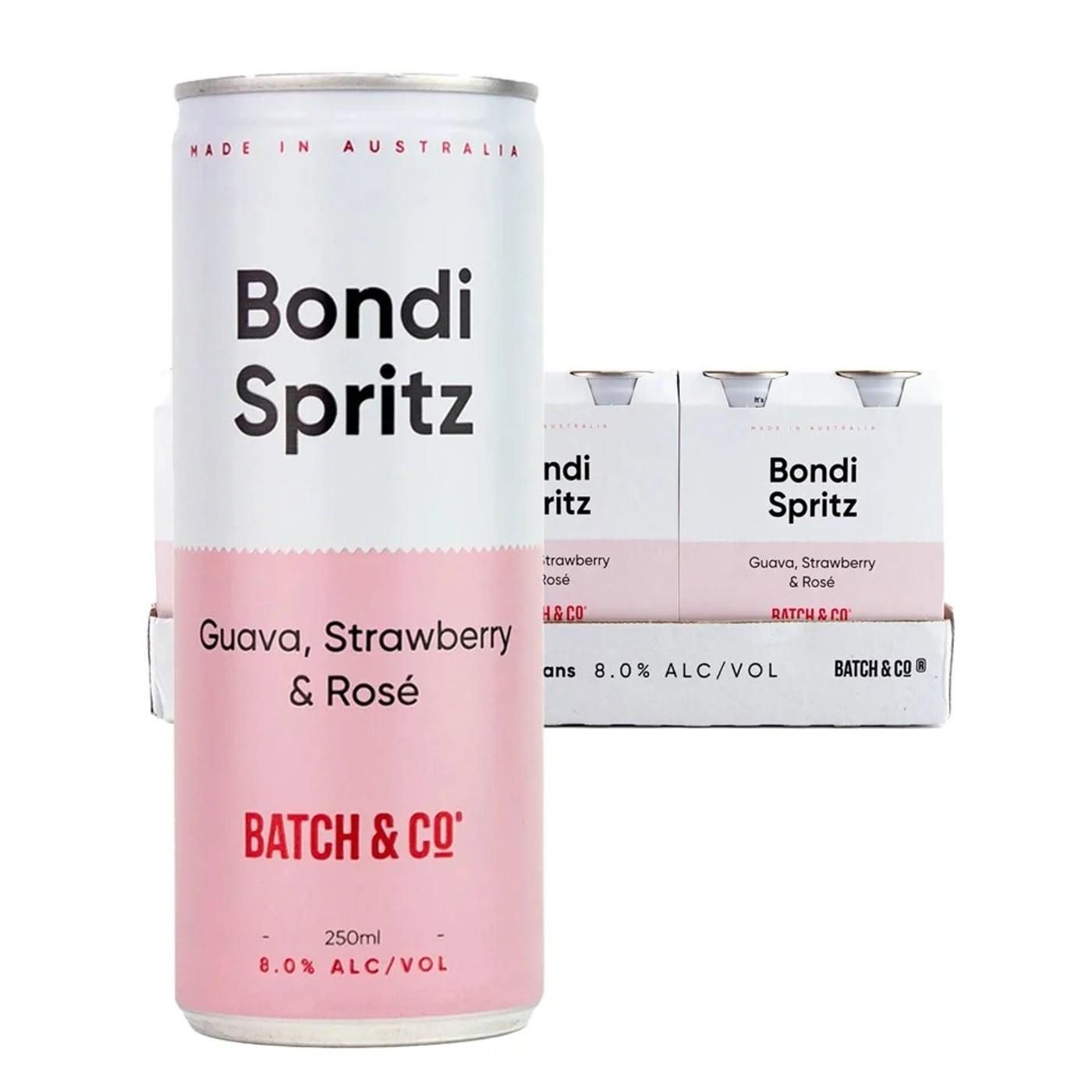
Batch Co Bondi Spritz 24pack Cans Rosé Wine
Batch Co Bondi Spritz 24pack Cans Rosé Wine (750ml) is a rosé wine from Batch, made in France / Australia. Buy it online from Doctors of Whisky with insured delivery across Australia.
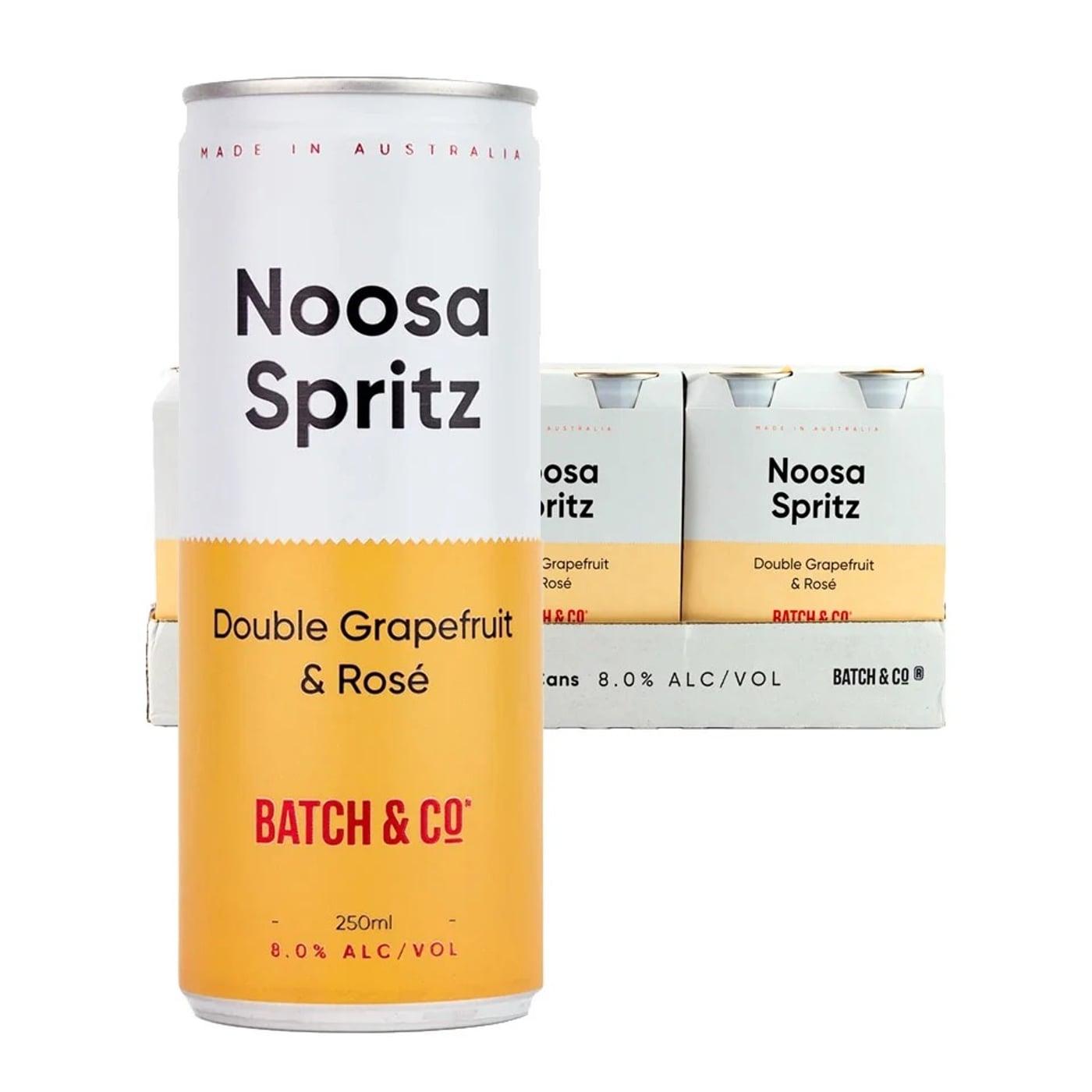
Batch Co Noosa Spritz 24pack Cans Rosé Wine
Batch Co Noosa Spritz 24pack Cans Rosé Wine (750ml) is a rosé wine from Batch, made in France / Australia. Buy it online from Doctors of Whisky with insured delivery across Australia.
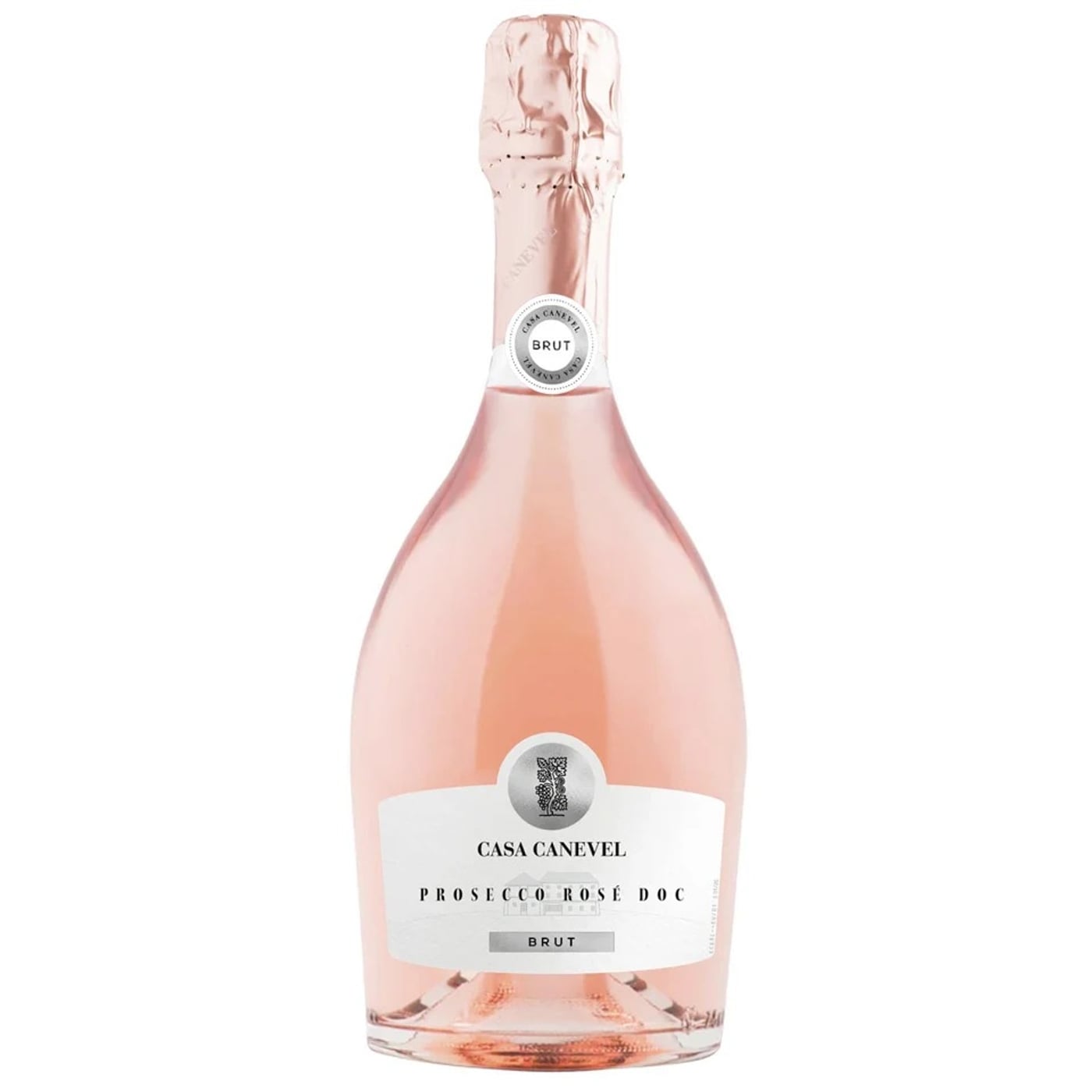
Casa Canavel Doc Rose Rosé Wine
Casa Canavel Doc Rose Rosé Wine (750ml) is a rosé wine from Casa, made in France / Australia. Buy it online from Doctors of Whisky with insured delivery across Australia.
Frequently asked questions
What is rosé wine?
Rosé is a pink wine made from red grapes with brief contact with the skins, which gives the colour.
Is rosé made by mixing red and white wine?
Generally no. Most rosé is made by pressing red grapes or by short skin contact. Champagne is a notable exception where blending is allowed.
Is rosé dry or sweet?
It can be either. Provence-style rosé is dry, while some New World and Portuguese rosés are fruity or sweet. Colour does not indicate sweetness.
What temperature should rosé be served?
Rosé is best served well chilled, at about 8 to 10 degrees Celsius.
What is sparkling rosé?
Sparkling rosé is a pink wine with bubbles, made by the traditional or tank method. Examples include Chandon and Champagne rosés.
How long does rosé last?
Most rosé is best within one to two years of the vintage. Opened bottles keep for two to three days in the fridge.
Related searches: moscato rose
Popular searches and tags
Sources and further reading
Related guides
What Is Rye Whiskey? A Beginner’s Guide to Rye
5 min read
Red Wine Varieties: How to Choose the Right Red Wine
5 min read
White Wine Sauvignon Blanc: Styles, Low Alcohol Options and Food Pairing
5 min read
Prosecco Guide: Prosecco for Aperol Spritz, Prosecco Rosé and Mimosas
6 min read
A Beginner’s Guide to Investing in Rare Whisky
7 min read
Pinot Grigio vs Pinot Gris: Pinot Grigio from Italy Explained
5 min read