London Gin: London Dry vs Contemporary Gin Style Guide
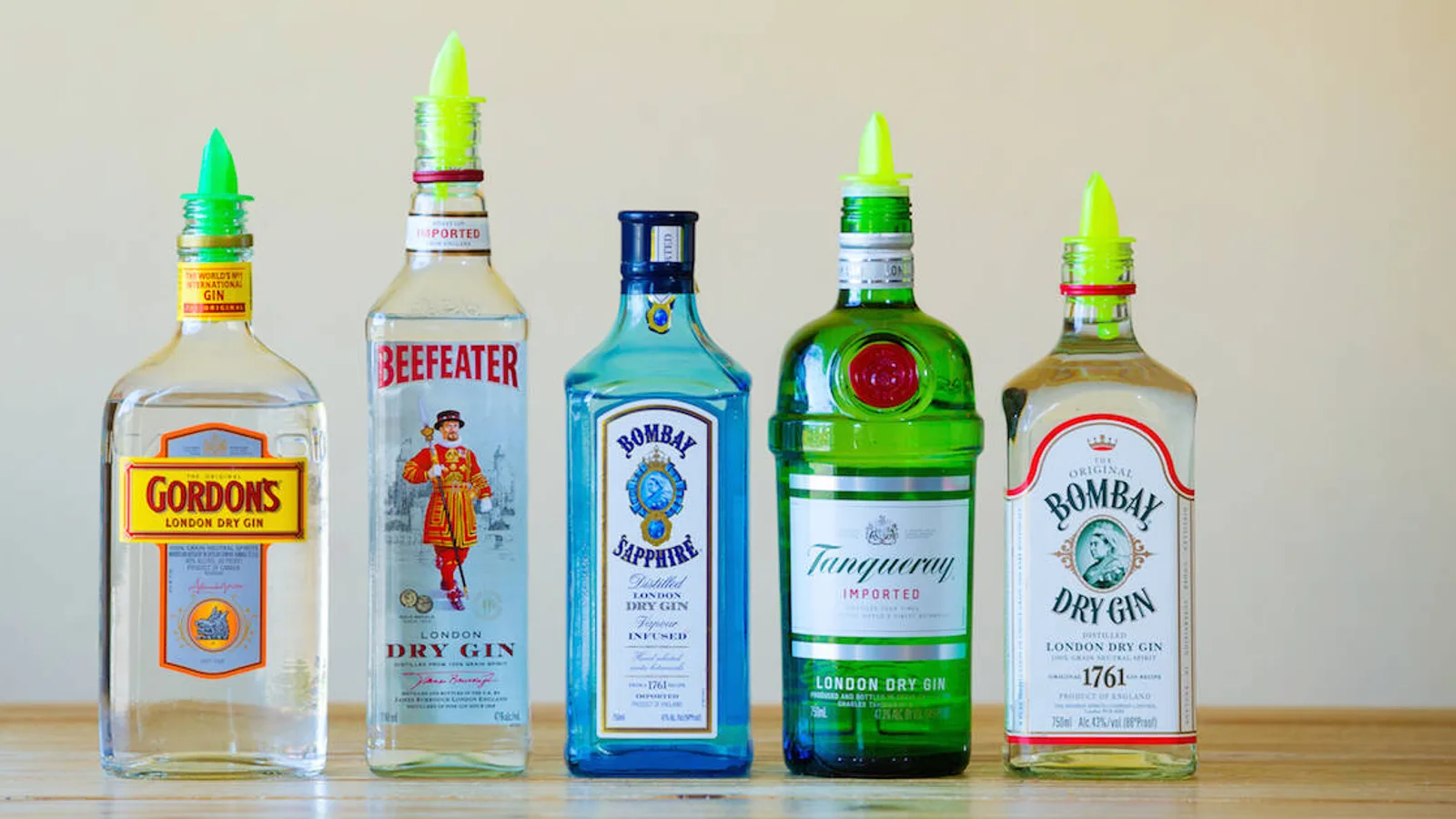
London Dry Gin is a protected production method, not a place — it can legally be made anywhere in the world. The rules require that all flavouring comes from natural botanicals added during distillation itself (no flavouring after the fact), with juniper required to be the dominant, clearly identifiable note.
Contemporary or “New Western” style gins, by contrast, still use juniper as a legal base ingredient but intentionally push other botanicals — citrus, florals, native herbs, even fruit — to the foreground, sometimes leaving juniper as a background note rather than the star. This style exploded in popularity over the last 15 years as craft distilleries looked for ways to stand out.
Australian gin has become a strong example of this contemporary trend, with distillers foregrounding native botanicals like lemon myrtle, finger lime, and wattleseed to create a distinctly local flavour profile that’s impossible to replicate with classic European juniper-and-citrus recipes.
When choosing a gin for a classic martini or gin and tonic, a traditional London Dry style gives the most reliably “ginny” result. For a gin highball or a cocktail where you want the botanicals to shine on their own, a contemporary style with a distinctive local character is usually the better pick.
What makes a gin a gin?
Gin is a spirit flavoured primarily with juniper berries. Beyond juniper, distillers choose a blend of botanicals such as coriander seed, angelica root, orris, citrus peel, cassia and liquorice. The botanicals are infused or re-distilled in a neutral spirit, and the result is bottled at 37.5 per cent ABV or higher in most markets.
Because there is no requirement for ageing, gin is a creative spirit. A distiller’s choice of botanicals defines its style, which is why gins taste so different even when they share a category name.
What does London dry mean?
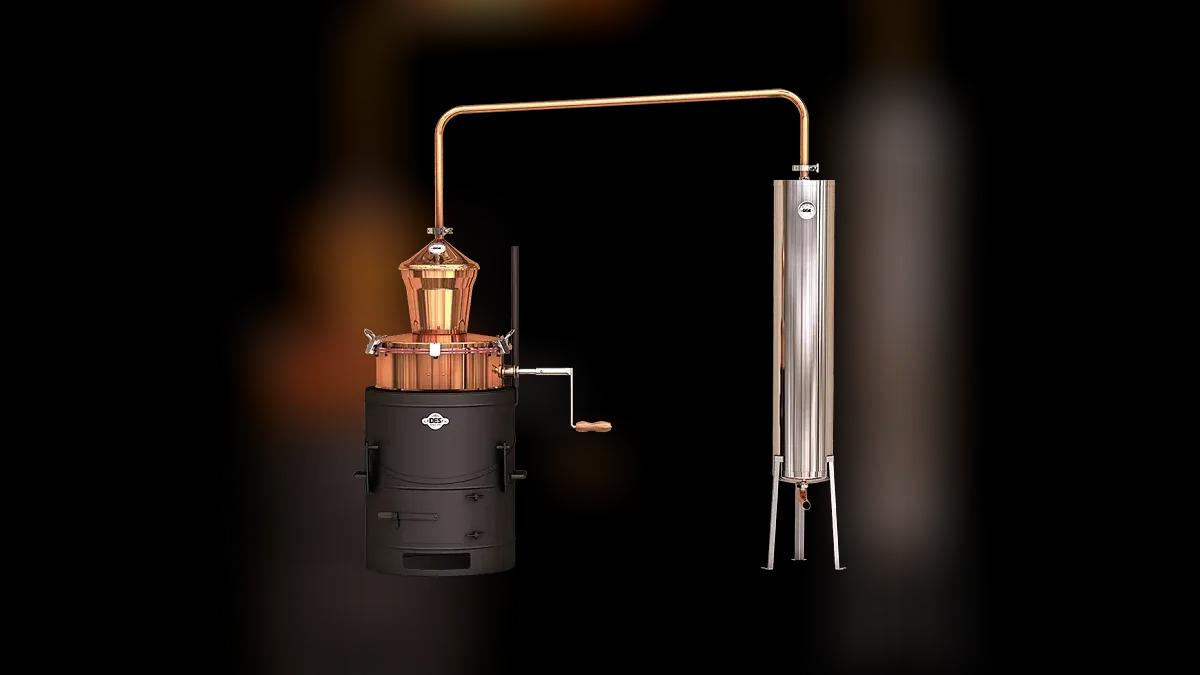
London dry gin is not about location. It describes a method: all flavour must come from natural botanicals during distillation, no artificial flavours or colours can be added afterward, and sweetening is restricted to a tiny amount. That gives a clean, dry, juniper-forward style.
Classic London dry names include Gordon’s, Tanqueray and Bombay Sapphire. You can see them in our gin collection, including Gordon’s Gin 1L and Bombay Sapphire.
Explore: Shop gin
What is contemporary or “New Western” gin?
Contemporary gin still contains juniper, but it deliberately turns down the volume to let other botanicals lead. You might find cucumber and rose in Hendrick’s, or native botanicals such as lemon myrtle and Tasmanian pepperberry in Australian gins like Four Pillars. Some are distilled gins with flavours added after distillation, so they cannot be labelled London dry.
This freedom has produced an explosion of styles. Try Hendrick’s Amazonia to see how far gin can move from the classic recipe.
Where does pink gin fit in?
Pink gin is a gin flavoured with red fruit such as strawberry, raspberry or rhubarb, often with added sugar. It tends to be sweeter and lower in ABV, and is generally served over ice or with lemonade or tonic.
It is a popular and fun style, but it is not a London dry. If you are buying for a classic martini or a dry G&T, choose a juniper-led gin instead.
Which gin is best for a martini or a G&T?
For a martini, a classic London dry such as Tanqueray or Gordon’s gives structure and bite. For a G&T, either style works: London dry gives a crisp, piney drink, while a contemporary gin gives a more aromatic one.
Use plenty of ice, a good tonic and a garnish that matches the gin. A ratio of one part gin to two or three parts tonic is a good starting point. Premade options such as 24 Ice Gin & Tonic are convenient when you do not want to mix.
What tonic should you use?
Tonic is half your drink, so choose a good one. Indian tonic water is the standard, and lighter, less sweet tonics let delicate gins show. Avoid flat or sugary tonic, and always use a fresh bottle or can.
For more on getting the mixer right, see our guide to the best mixers for a home bar.
What should you look for when buying gin in Australia?
Check the style on the label (London dry, distilled gin, flavoured gin), the ABV and the botanicals. Australian craft gins often highlight native ingredients and can be excellent value in smaller bottles. Gin also makes an easy gift, especially with a premium tonic and a glass.
Buyers must be 18 or over. Explore the full range in our gin collection.
What botanicals are used in gin?
Juniper is essential. Coriander seed adds citrus and spice, angelica root adds earthy depth and helps fix aromas, and orris root adds a floral, powdery note. Citrus peel (lemon, orange, grapefruit), cassia or cinnamon, cardamom, liquorice and grains of paradise are also common.
Contemporary gins add cucumber, rose, lavender, tea, seaweed and native Australian botanicals such as lemon myrtle and pepperberry. The best way to discover a favourite is to taste the gin neat first, then in a G&T.
What are the best gin cocktails?
The Dry Martini: 60 mL gin and 10 mL dry vermouth, stirred with ice and served with a lemon twist or olive. The Negroni: equal parts gin, Campari and sweet vermouth. The Tom Collins: gin, lemon juice, sugar and soda. The Gimlet: gin and lime cordial or fresh lime and sugar.
Use a London dry for martinis and Negronis, and a contemporary gin for a Gin and Tonic that highlights unusual botanicals.
What is the difference between distilled gin and compound gin?
Distilled gin is made by redistilling a neutral spirit with botanicals. London dry is a type of distilled gin. Compound gin is made by simply mixing flavouring into neutral alcohol without redistilling, and it is usually cheaper and less refined.
Gin liqueur and flavoured gin, such as pink gin, may have added sugar and lower ABV. Check the label for style and ABV. Browse our gin collection for classic and modern styles.
What are the most common gin mistakes?
The biggest is warm tonic and too little ice, which waters down the drink and kills the fizz. Using a flat or cheap tonic is the second. Third, over-garnishing: a slice of citrus or a sprig of herb is enough, and the garnish should echo the gin’s botanicals.
Another is storing gin in direct sunlight, which can dull its aromas. Pour from a bottle kept in a cool cupboard. Finally, do not assume all gin is the same: taste a few styles and learn which botanicals you prefer.
If you want a ready-made option while you explore, a canned gin and tonic such as 24 Ice Gin & Tonic is a convenient way to try the style.
Buy Gin online in Australia
View collection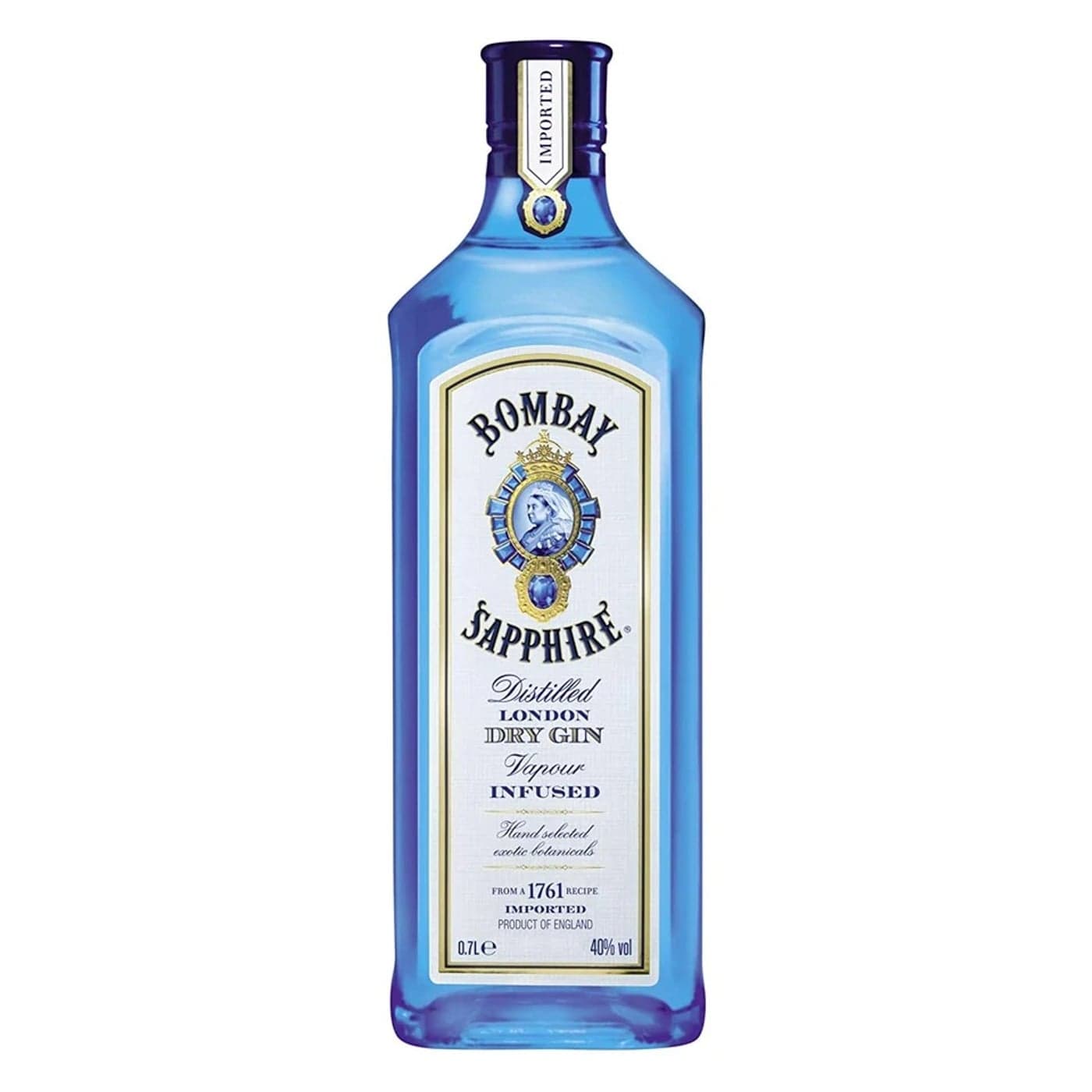
Bombay Sapphire Gin
Bombay Sapphire Gin (700ml) is a gin from Bombay, made in United Kingdom / Australia. Buy it online from Doctors of Whisky with insured delivery across Australia. Searching for bombay sapphire gin price? This page lists the price, size and insured delivery details.
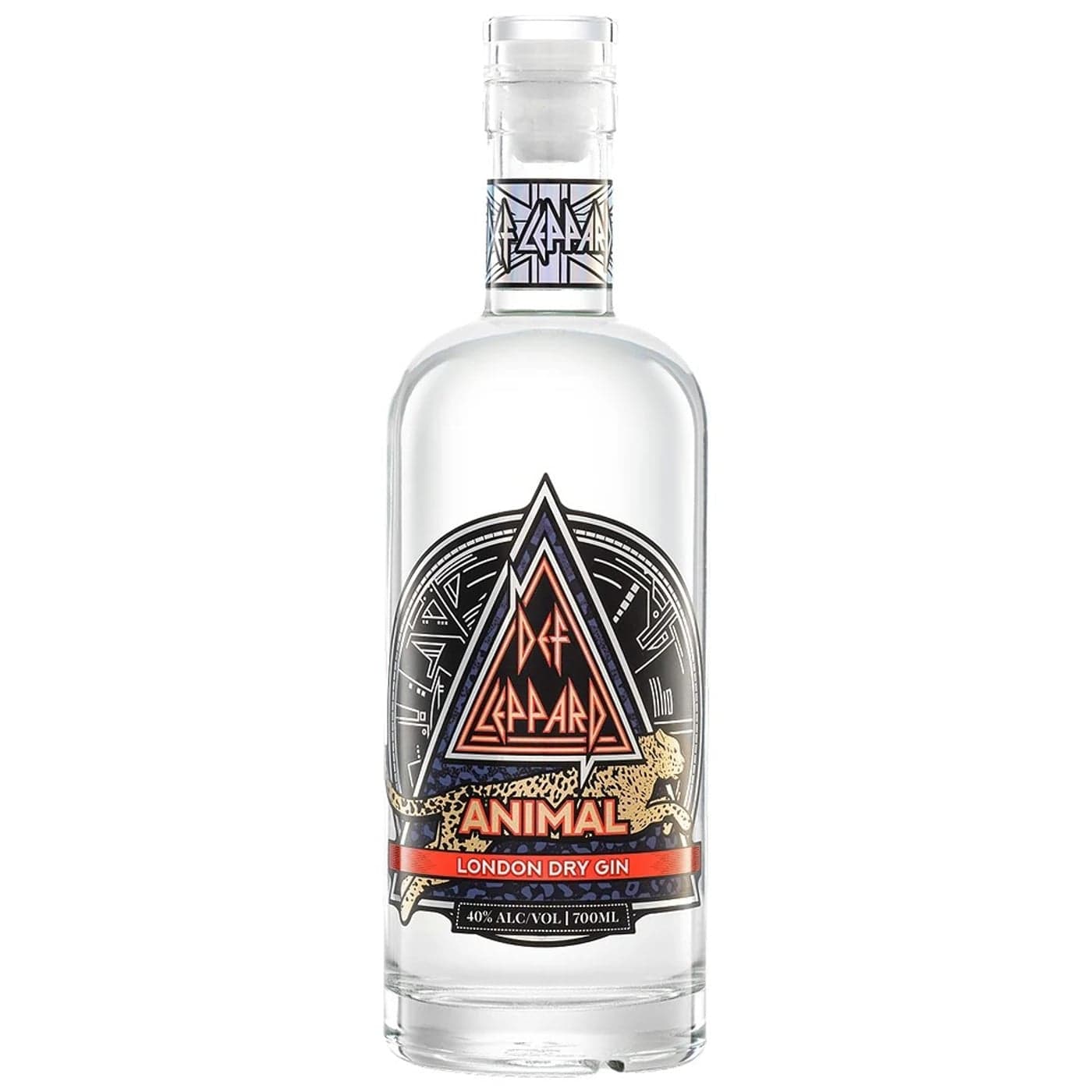
Def Leppard Animal Gin
Def Leppard Animal Gin (700ml) is a gin from Def, made in United Kingdom / Australia. Buy it online from Doctors of Whisky with insured delivery across Australia.
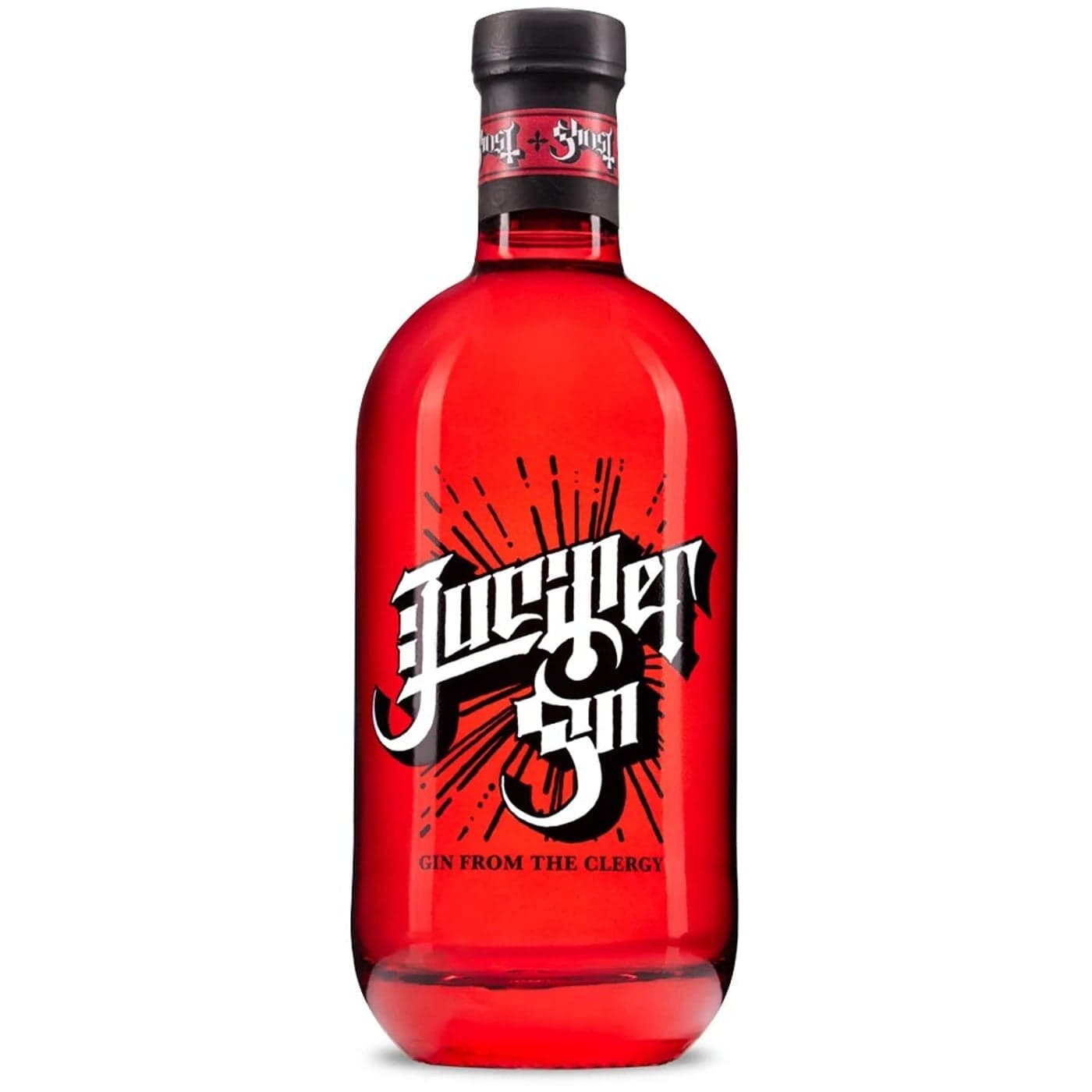
Ghost Juniper Gin
Ghost Juniper Gin (700ml) is a gin from Ghost, made in United Kingdom / Australia. Buy it online from Doctors of Whisky with insured delivery across Australia.
Frequently asked questions
What is London dry gin?
London dry gin is a gin made by distilling natural botanicals with no artificial flavours or colours added afterward and only minimal sweetening. It does not have to be made in London.
What is the difference between London dry and regular gin?
London dry follows a strict method with all flavour added during distillation. Other gins may have flavours or sweeteners added after distillation.
Is pink gin a London dry gin?
No. Pink gin is flavoured with fruit and often sweetened, so it is a different style from London dry.
What is the best gin for a gin and tonic?
Either a classic London dry for a crisp, piney drink or a contemporary gin for a more aromatic one. Use plenty of ice and a good tonic.
What is a standard gin and tonic ratio?
One part gin to two or three parts tonic is a common starting point, over lots of ice.
Does gin need to be aged?
No. Most gin is not aged, though some producers rest gin in barrels for a golden, oak-flavoured style.
Related searches: drinks using gin
Popular searches and tags
Sources and further reading
Related guides
What Is Gin Made From? Juniper, Botanicals and How Gin Is Distilled
5 min read
German Beer Guide: German Wheat Beer, Weissbier and Pilsner
5 min read
Grey Goose vs Belvedere: Ultra-Premium Vodka Compared
4 min read
Tequila El Patron Silver and the Tequila Ageing Guide
6 min read
How Vodka Is Made: From Grain to Glass
5 min read
Don Julio Tequila Brands: Don Julio vs Patrón Compared
5 min read