How Is Vodka Made: How Vodka Is Made: From Grain to Glass
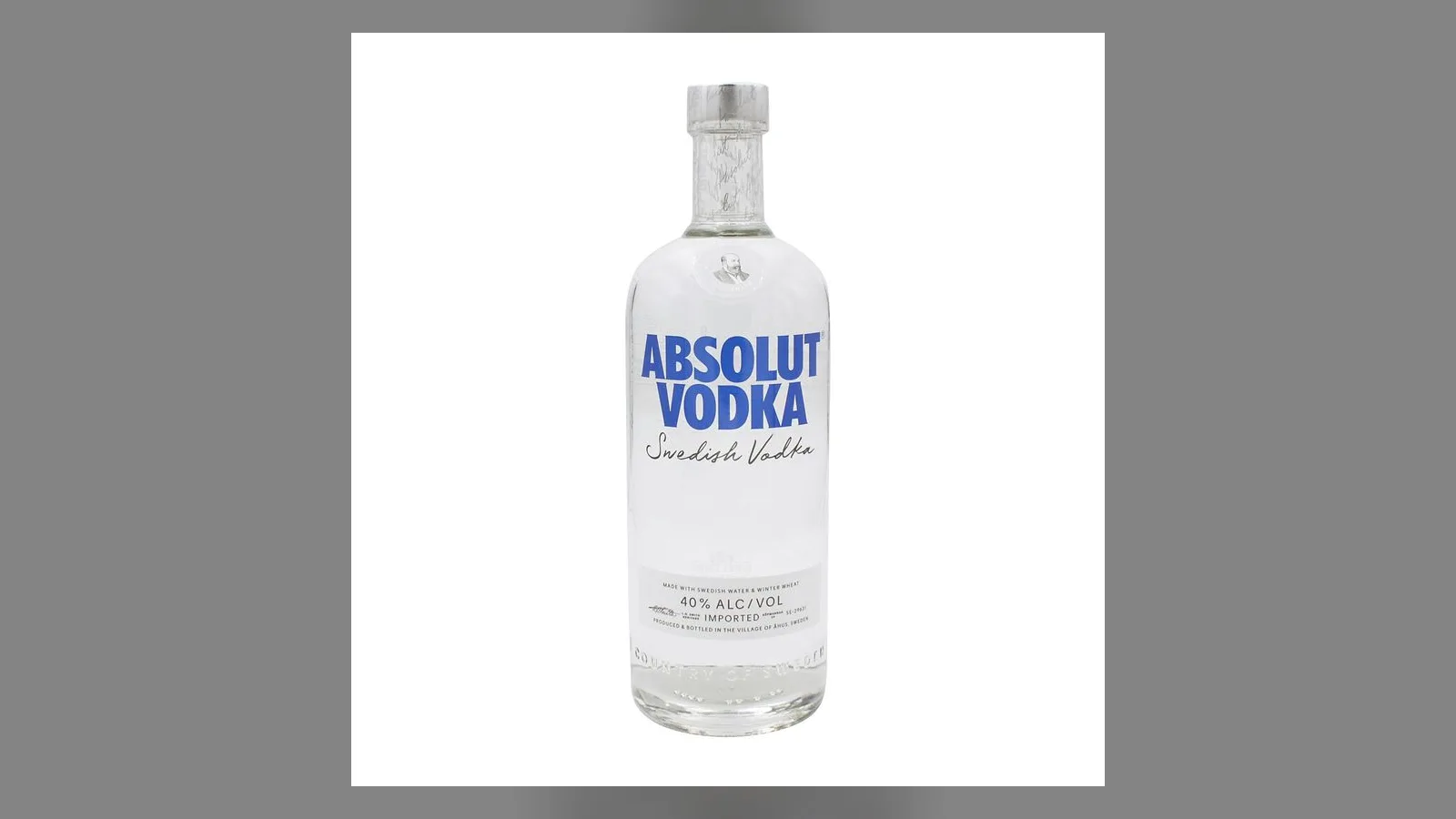
How is vodka made? Vodka is made by fermenting a grain or potato base, distilling it to a very high strength, filtering it and diluting it with water. This guide explains each step, what changes the taste, and how to choose a good bottle.
Vodka’s defining legal characteristic, in most countries, is that it must be distilled to a very high proof and heavily filtered so that it has little to no distinctive aroma, taste, or colour. That doesn’t mean every vodka tastes the same — the base ingredient and production method still create real differences a careful drinker can pick up.
Grain-based vodkas (wheat, rye, or corn) tend to have a softer, slightly sweet mouthfeel, while potato vodkas are often described as creamier and more viscous. Grape-based vodkas, like Cognac-region vodkas made from grape must, can carry a subtle fruitiness even after heavy filtration.
Distillation method matters too: column-still distillation (used by most large commercial producers) achieves very high purity efficiently, while some premium producers still use pot stills or multiple redistillation passes to build texture and character rather than just stripping everything out.
Water source and filtration are the final, often most marketed, variables. Brands frequently highlight glacial spring water or charcoal filtration through materials like birch or activated carbon, both aimed at achieving the ultra-clean mouthfeel that premium vodka drinkers expect.
When comparing premium bottles, the honest tasting differences usually come down to mouthfeel and subtle sweetness rather than dramatic flavour — which is exactly why vodka tastings are typically done at room temperature, not ice-cold, to let those small differences actually show through.
How is vodka made, step by step?
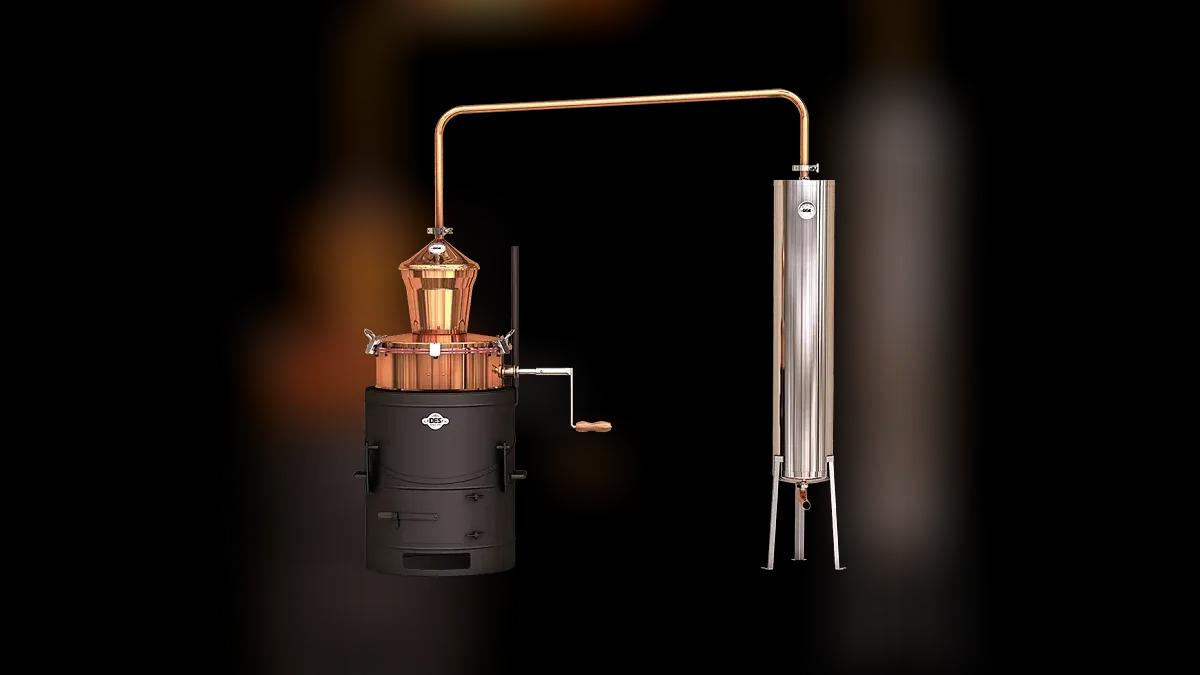
Vodka starts with a fermentable base: grain such as wheat, rye or corn, potatoes, grapes or even sugar beet. Starches are converted to sugar, then yeast ferments the sugar into a low-strength alcoholic liquid. This is called the wash.
The wash is distilled, usually in column stills, which separate alcohol from water and impurities and concentrate it to a very high strength. The spirit is then filtered, commonly through charcoal, and diluted with water to bottling strength before it is bottled. The fewer flavour compounds that survive the process, the cleaner the vodka tastes.
Does the base ingredient change the taste?
Slightly, and mostly in texture. Wheat vodkas tend to taste soft and slightly sweet. Rye vodkas often show a little spice and a drier finish. Potato vodkas can feel creamier and weightier. Corn adds gentle sweetness, and grape-based vodkas can taste lightly fruity.
Brands lean on these differences in marketing. In blind tastings the effect is subtle, but it is real when you sip neat and chilled, and it explains why people favour one style for martinis and another for mixing.
Does distilling vodka more times make it better?
Not necessarily. Multiple distillations remove more impurities, but a very high number of passes can also strip character. “Distilled five times” is a marketing claim rather than a quality guarantee, and a well-made single-pass vodka can taste better than a badly made multi-pass one.
What matters more is the quality of the base, the skill of the distiller in making cuts (separating the best part of the run) and the filtration. Judge by taste and reputation, not by the number on the label.
What role do water and filtration play?
A bottle of vodka is typically 60 per cent water, so the water matters. Many brands highlight a spring, glacial or mineral source, which can affect mouthfeel. Filtration through charcoal, quartz, silver or even diamond dust is often marketed as the secret to smoothness.
In practice, careful distillation does the heavy lifting and filtration polishes the result. For a premium example, compare Grey Goose 700mL, made from French wheat, with Belvedere 700mL, made from Polish rye.
Explore: Shop French vodka · Shop Polish vodka
How strong is vodka, and what is a standard drink?
Most vodka is bottled at 37.5 to 40 per cent ABV. In Australia, a standard drink contains 10 grams of pure alcohol, and labels must show how many standard drinks a container holds. A 700 mL bottle of 40 per cent vodka contains about 22 standard drinks, and a 1 litre bottle about 31.
Counting standard drinks is the simplest way to keep track of how much you have had. Buyers must be 18 or over, and the Australian guidelines recommend no more than ten standard drinks a week and no more than four on any one day.
How should you serve vodka?
Store vodka in the freezer if you like it cold and viscous. Serve it neat in small chilled glasses, shaken or stirred in a martini, or mixed with soda, tonic, ginger beer or juice. It is the base of the Moscow Mule, Cosmopolitan and Espresso Martini.
To see how vodka-based mixes work, read our guide to the best mixers for a home bar or compare two premium brands in Grey Goose vs Belvedere.
What should good vodka taste like?
Good vodka is clean, with no harsh burn, chemical or medicinal smell. Chilled, it should feel smooth and slightly oily on the tongue. At room temperature you may notice subtle notes of grain, vanilla, pepper, citrus or sweetness, depending on the base.
Taste vodkas in small glasses, both at room temperature and chilled. If you notice an alcohol sting at the back of the throat or a harsh finish, it usually points to a poorly cut or poorly filtered spirit. Cheap vodka can still be fine for mixing, but a premium bottle shows its quality when sipped.
How do flavoured vodkas and infusions work?
Flavoured vodka is made by adding natural or artificial flavour, and sometimes sugar, after distillation. Some brands use real fruit essences, while others rely on sweeteners, so compare labels. Flavoured vodka is easy to mix and suits casual drinks.
You can also infuse your own. Steep fresh fruit, chilli, vanilla beans or herbs in plain vodka for a few days, taste regularly and then strain. Use a clean glass jar, keep it in a cool place and drink within a few months.
What are the best vodka cocktails to make at home?
A Vodka Martini: 60 mL vodka and 10 mL dry vermouth, stirred with ice and served with a lemon twist or olives. A Cosmopolitan: 40 mL vodka, 15 mL Cointreau, 15 mL lime juice and 30 mL cranberry juice, shaken. A Moscow Mule: 45 mL vodka, lime juice and ginger beer over ice in a mug.
A Bloody Mary uses vodka, tomato juice, lemon, Worcestershire sauce and spice. A Vodka Soda is the simplest of all. For more ideas, see our guide to the best mixers for your home bar and browse orange liqueur for Cosmopolitans.
How do you choose between a 700 mL and a 1 L bottle?
A 700 mL bottle is the traditional size and the easiest to store, while a 1 L bottle gives better value per millilitre and suits parties or regular mixed drinks. At 40 per cent ABV, a 1 L bottle holds around 31 standard drinks, so only buy what you will use.
Smaller bottles of 200 mL or 375 mL are good for trying a new brand. For a bar cart, buy one clean mid-priced vodka for mixing and one premium bottle for martinis.
Buy Grey Goose online in Australia
View collection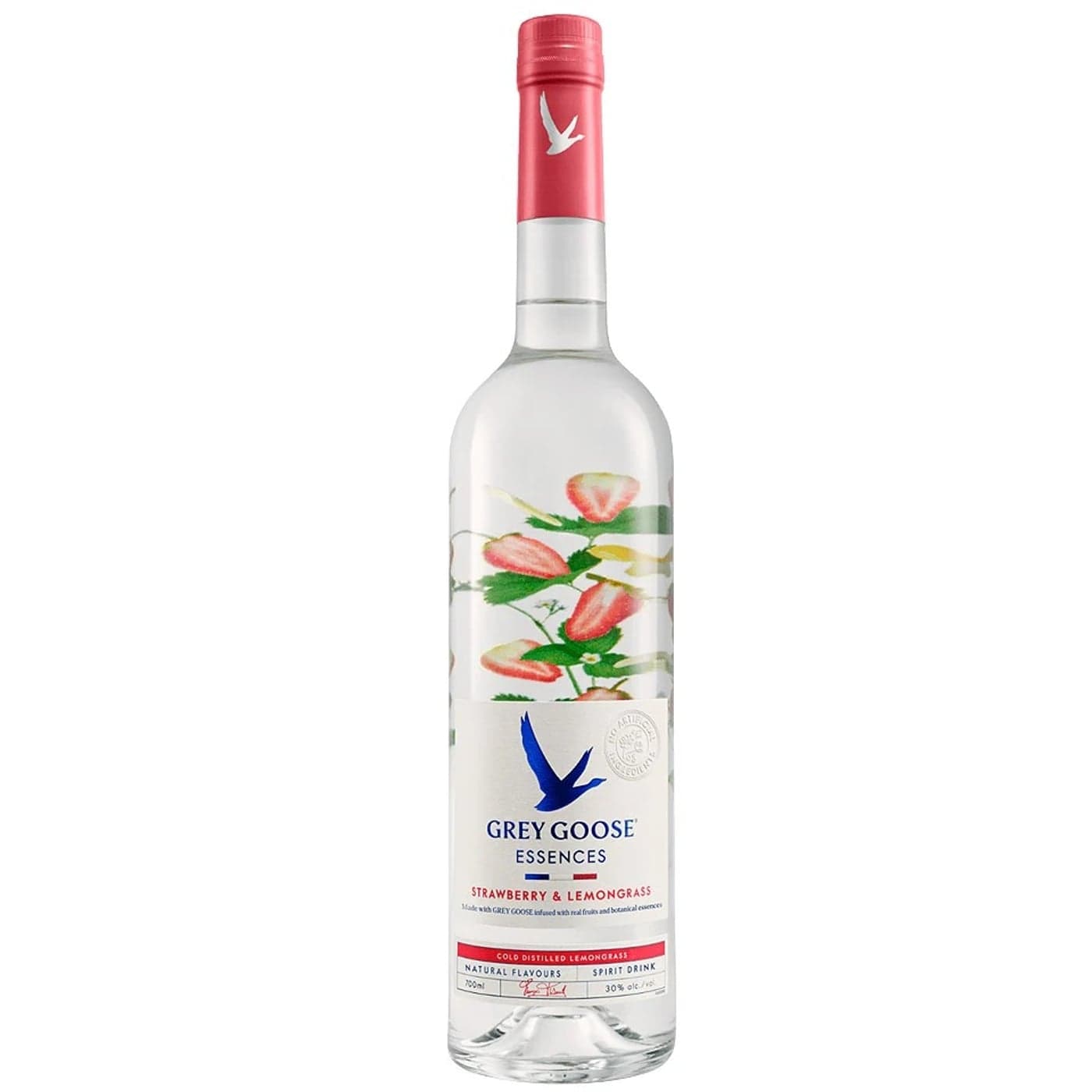
Grey Goose Altius Ultra-Premium Glacial Reserve French Vodka
Grey Goose Altius Ultra-Premium Glacial Reserve French Vodka: Filtered at sub-zero temperatures (-24°C) using glacial spring water from the French Alps. Encased in a hand-sculpted bespoke bottle capturing the icy brilliance of Mont Blanc.
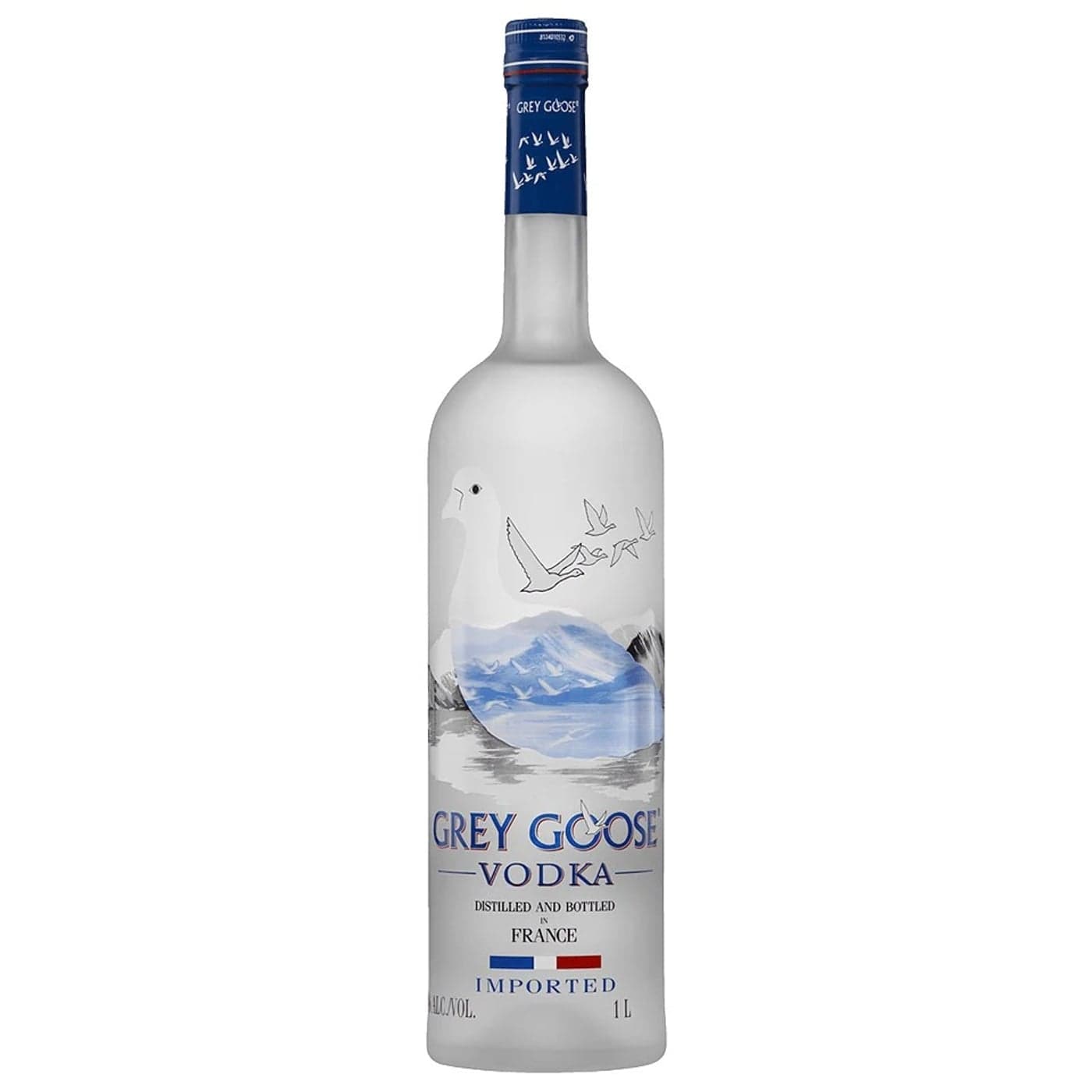
Grey Goose 1L
Grey Goose 1L is an ultra-premium vodka from Grey Goose, made in France. Buy it online from Doctors of Whisky with insured delivery across Australia.
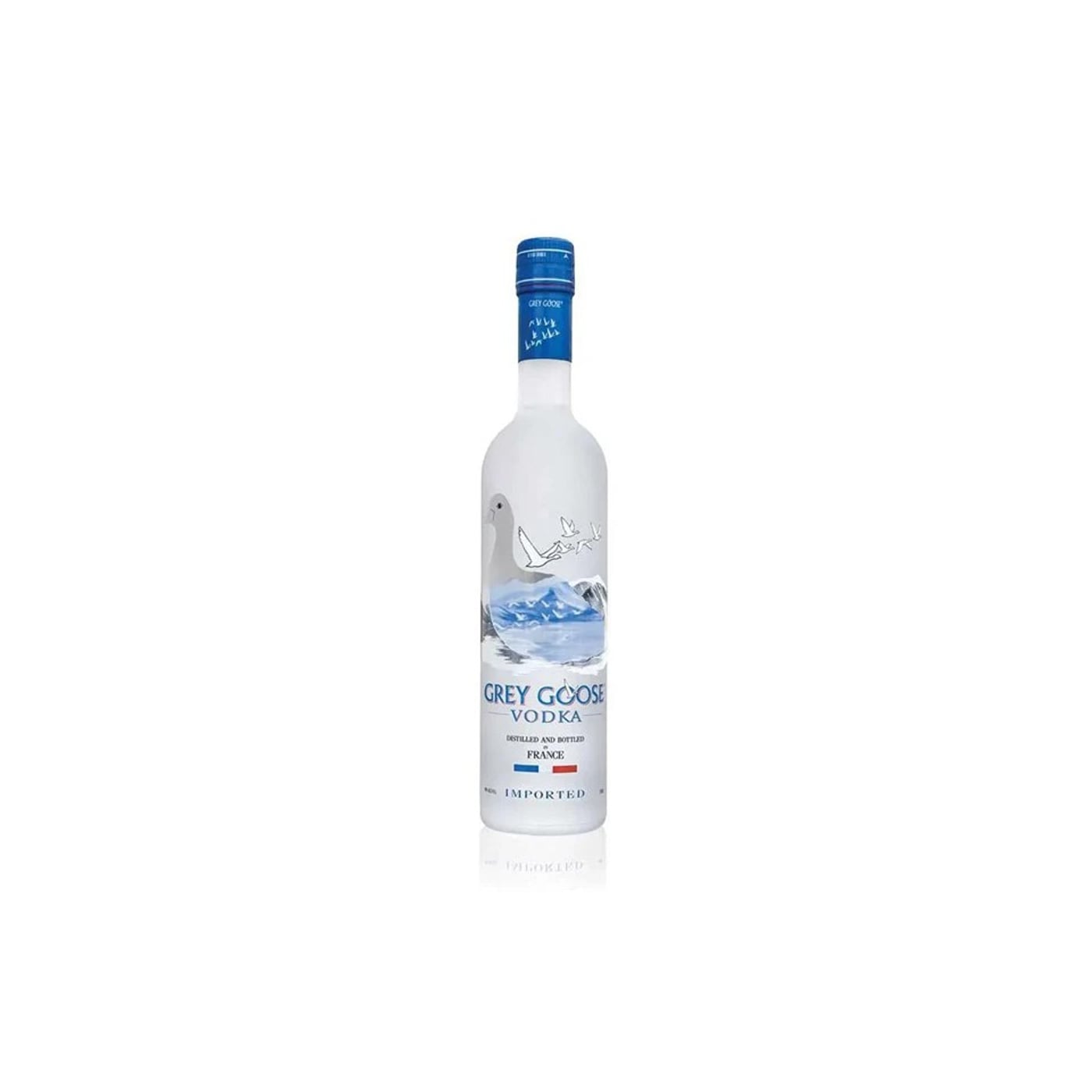
Grey Goose 50ml
Grey Goose 50ml is an ultra-premium vodka from Grey Goose, made in France. Buy it online from Doctors of Whisky with insured delivery across Australia.
Frequently asked questions
How is vodka made?
Vodka is made by fermenting a base such as grain or potatoes, distilling it to a high strength, filtering it and diluting it with water before bottling.
What is vodka made from?
Vodka can be made from wheat, rye, corn, potatoes, grapes or sugar beet. The base changes the texture more than the flavour.
Is vodka distilled more than whisky?
Often yes. Vodka is typically distilled to a higher strength and filtered to remove flavour, while whisky retains flavour compounds and is aged in oak.
How many standard drinks are in a bottle of vodka?
A 700 mL bottle of 40% vodka contains about 22 standard drinks, and a 1 litre bottle about 31, using Australia’s 10 gram standard drink.
Is expensive vodka better?
Not always. Premium vodkas are smoother when sipped neat, but mid-priced bottles work well in mixed drinks.
Should you keep vodka in the freezer?
You can. Vodka will not freeze at household freezer temperatures, and chilling it gives a thicker, smoother texture when served neat.
Related searches: vodka cruiser
Popular searches and tags
Sources and further reading
Related guides
Lager vs Imported Beer: A Buyer’s Guide
4 min read
Grey Goose vs Belvedere: Ultra-Premium Vodka Compared
4 min read
What Is IPA Beer? India Pale Ale Explained for Australian Drinkers
5 min read
What Is Gin Made From? Juniper, Botanicals and How Gin Is Distilled
5 min read
Irish Whiskey Guide: Bushmills, Redbreast and How Irish Whiskey Is Made
5 min read
London Gin: London Dry vs Contemporary Gin Style Guide
5 min read