Lager vs Imported Beer: A Buyer’s Guide
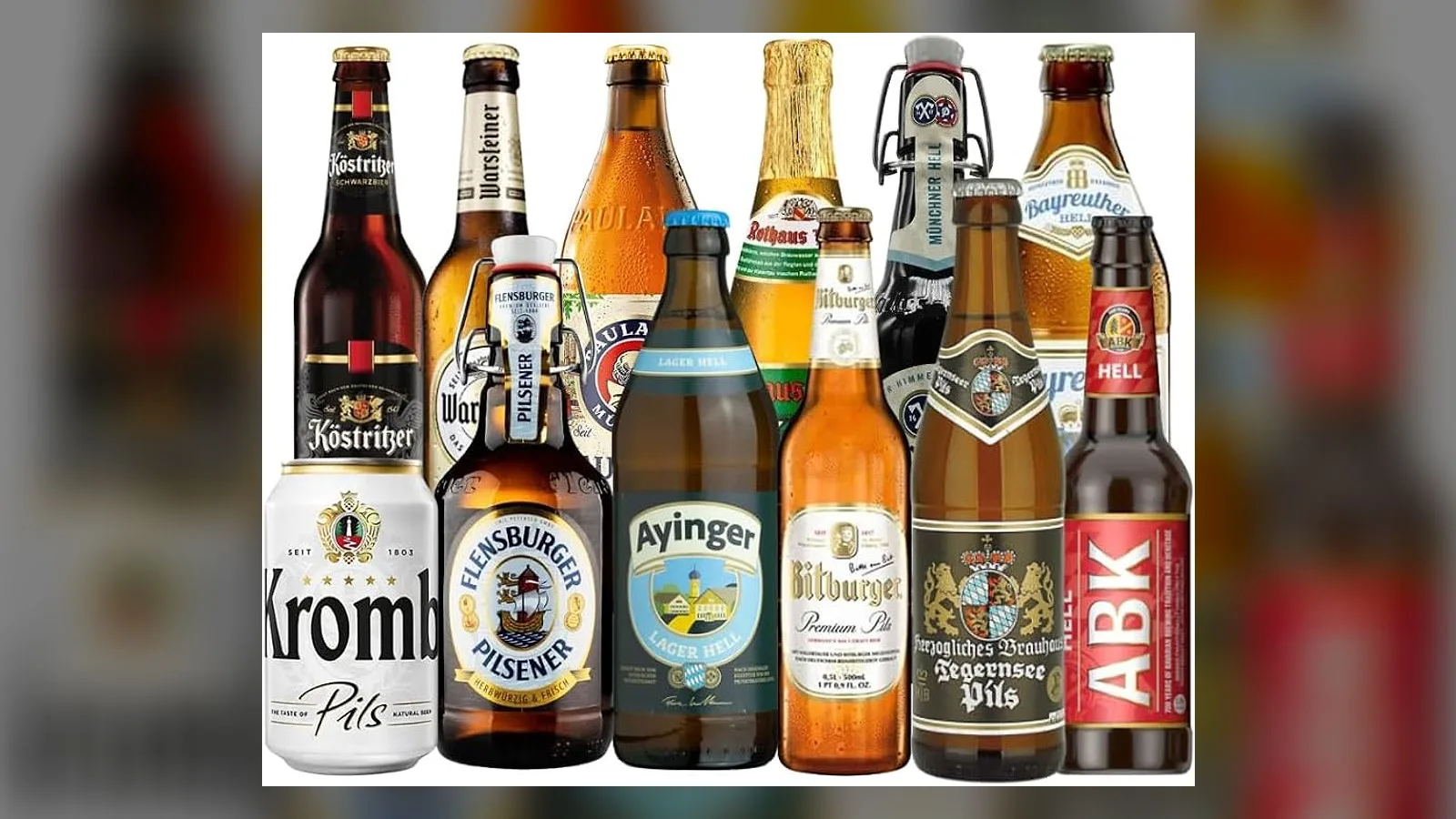
Lager is defined by its fermentation method, not its origin: it’s brewed with bottom-fermenting yeast at cooler temperatures over a longer period than ale, producing the clean, crisp character most people associate with everyday beer. The word itself comes from the German “lagern”, meaning “to store,” referencing the cold conditioning period lager traditionally requires.
Imported beer covers a huge range of styles beyond standard pale lager — German helles and pilsner, Belgian tripels and dubbels, and craft imports from producers experimenting with hops and specialty malts. What unites them as a shopping category is simply that they’re brewed overseas and shipped in, often at a price premium reflecting freight and import duties.
When comparing a local lager to an imported one, freshness genuinely matters more than most drinkers realise — lager is best consumed relatively young, and imported beer that’s spent months in transit and storage can taste noticeably flatter or more oxidised than the same beer fresh from a local brewery.
For the best experience with either style, look for a clear bottling or best-before date, store bottles cold and out of direct light (UV exposure is what causes the “skunked” aroma in green or clear glass bottles), and drink imported beer sooner rather than later after purchase.
What is a lager?
Lager is a style of beer brewed with bottom-fermenting yeast at cool temperatures, then conditioned in cold storage for weeks (the word comes from the German for “to store”). The result is a clean, crisp, smooth beer without the fruity esters that warm-fermented ale yeasts produce.
Most of the world’s beer is lager. It ranges from pale, light and refreshing pilsners and Australian lagers to darker, maltier Märzen and bock styles. If a bottle just says “lager”, expect a light-bodied, easy-drinking beer.
What is the difference between lager and ale?
Ale uses top-fermenting yeast at warmer temperatures and tends to taste fruitier and more complex, as in pale ales, IPAs, stouts and wheat beers. Lager uses bottom-fermenting yeast at colder temperatures and tastes cleaner and crisper.
Neither is better. Choose lager for hot weather, barbecues and food that needs a clean palate, and ale when you want more aroma and flavour.
What counts as an imported beer?
Imported beer is any beer brewed overseas and shipped to Australia. It spans many styles. Italy’s Peroni Nastro Azzurro is a crisp pale lager, Mexico’s Modelo Especial and Corona are light, easy lagers, and Belgium’s Hoegaarden is a cloudy wheat beer spiced with coriander and orange peel.
Imported lagers often taste a little different from Australian lagers because of local malt, hops and water. See our imported beer collection for options, including Peroni Nastro Azzurro and Hoegaarden.
Explore: Shop imported beer
Why does freshness matter so much?
Beer is not designed to age, and most lagers taste best within months of packaging. Heat speeds up staling, which gives a wet-cardboard flavour, and sunlight reacting with hops causes “lightstruck” beer with a skunky smell. Brown glass and cans offer the best protection, while clear and green bottles offer little.
Check the best-before date, buy from sellers who store beer cool and keep cartons out of direct light at home. Refrigerate before serving, and do not repeatedly chill and warm the same bottles.
What about flavoured beer?
Flavoured beers, such as lime, citrus and fruit-infused lagers, are a growing category. They are usually lighter and sweeter than a standard lager, and they are designed for warm days and casual drinking.
If you like a lime wedge in your Corona, you will probably enjoy the style. Look at the ABV and sugar information on the label if you are watching either.
How do you serve and store beer?
Serve lager cold, at around 3 to 5 degrees, in a clean glass to release aroma and keep the head. Wheat beers and ales taste better slightly warmer. Store unopened beer upright in a cool, dark place, and drink within the best-before date.
Australian standard drinks are shown on every label. A 330 mL bottle at 5 per cent ABV is about 1.3 standard drinks.
How do you choose between local and imported?
For everyday drinking and value, local lagers are fresh and cheap, with a strong Australian style of light, cold-served beer. For variety, imported beer lets you try styles that local brewers do not make as often, such as Czech pilsner or Belgian wheat beer.
Browse our lager collection too. If you are looking for lighter options, read our guide to non-alcoholic beer, or explore Australian craft cider. Buyers must be 18 or over.
Explore: Shop lager
What are the main beer styles?
Pilsner is a crisp, hoppy pale lager that originated in Plzeň in the Czech Republic. Helles is a softer, maltier German lager. Pale ale is a fruity, balanced ale, and IPA (India Pale Ale) is a hoppier, more bitter version. Wheat beer is cloudy and refreshing, often with banana and clove notes, and stout and porter are dark and roasty.
Most imported beers you will find in Australia are pale lagers, but variety is growing. Use the style name on the label as a starting point and compare ABV and bitterness.
What are the Australian beer glass sizes?
Glass names differ from state to state, so a schooner, middy, pot or pint can mean different sizes depending on where you order. The three common sizes are about 285 mL, 425 mL and 570 mL, and the safest way to order is to ask the size in millilitres or point to the glass.
At home, serve beer in a clean glass, since oils and detergent residue can flatten the head. Pour at an angle, then straighten the glass for a good head. Standard-drink information on the label is a better guide to how much you are drinking than the glass name.
What food goes with beer?
Light lagers and pilsners suit seafood, salads, spicy food and barbecue. Wheat beer pairs with brunch, salads and mild curries. IPA matches burgers, spicy food and strong cheese, and dark beers match roast meat and chocolate desserts.
Corona with lime is an easy summer match for tacos and grilled fish, and Peroni suits pizza and pasta. For more ideas, see our guide to cider.
How do you build a mixed case of beer?
Choose a base lager for everyday drinking, add one or two imported styles you want to try, and include a non-alcoholic option for guests who prefer it. For a party, a mix of light lager, a wheat beer and a pale ale covers most tastes.
Check best-before dates and buy in quantities you can drink within a few months. If you buy by the carton, store it upright in a cool place, and move a few bottles into the fridge at a time.
How do you pour and taste a beer properly?
Use a clean glass, tilt it 45 degrees and pour down the side, then straighten as it fills to build a one to two finger head. The head traps aroma and keeps the beer fresh. Smell the beer before drinking, noticing hops, malt and yeast character.
Take a small sip and let it roll across your tongue. Note the bitterness, sweetness, body and finish. Comparing a lager and an imported beer side by side is the quickest way to learn the difference. For beer without the alcohol, see our non-alcoholic beer guide.
Buy Imported Beer online in Australia
View collection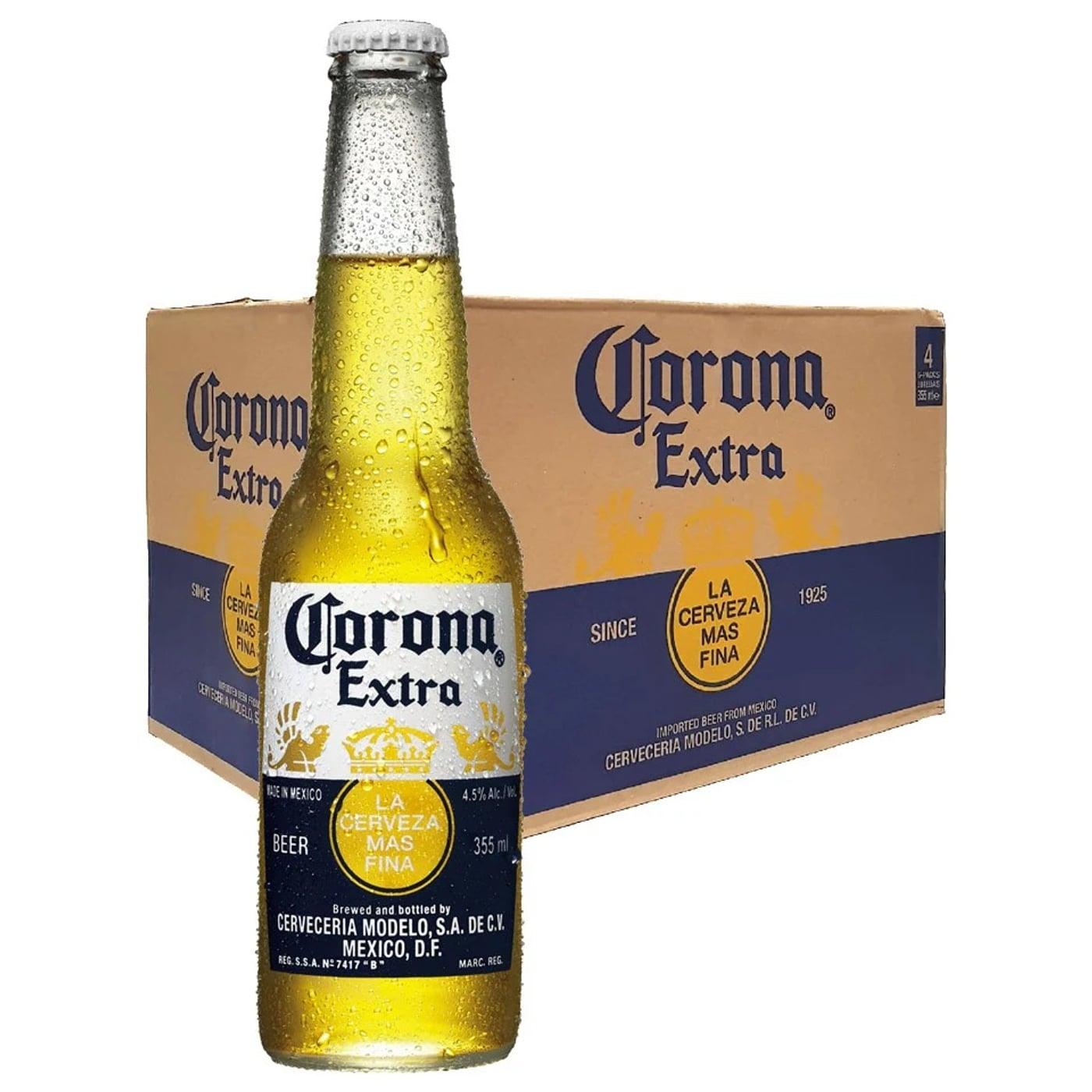
Corona Brown Box 355 Bottles Imported Beer
Corona Brown Box 355 Bottles Imported Beer (330ml (Case of 24)) is an imported beer from Corona, made in International. Buy it online from Doctors of Whisky with insured delivery across Australia.
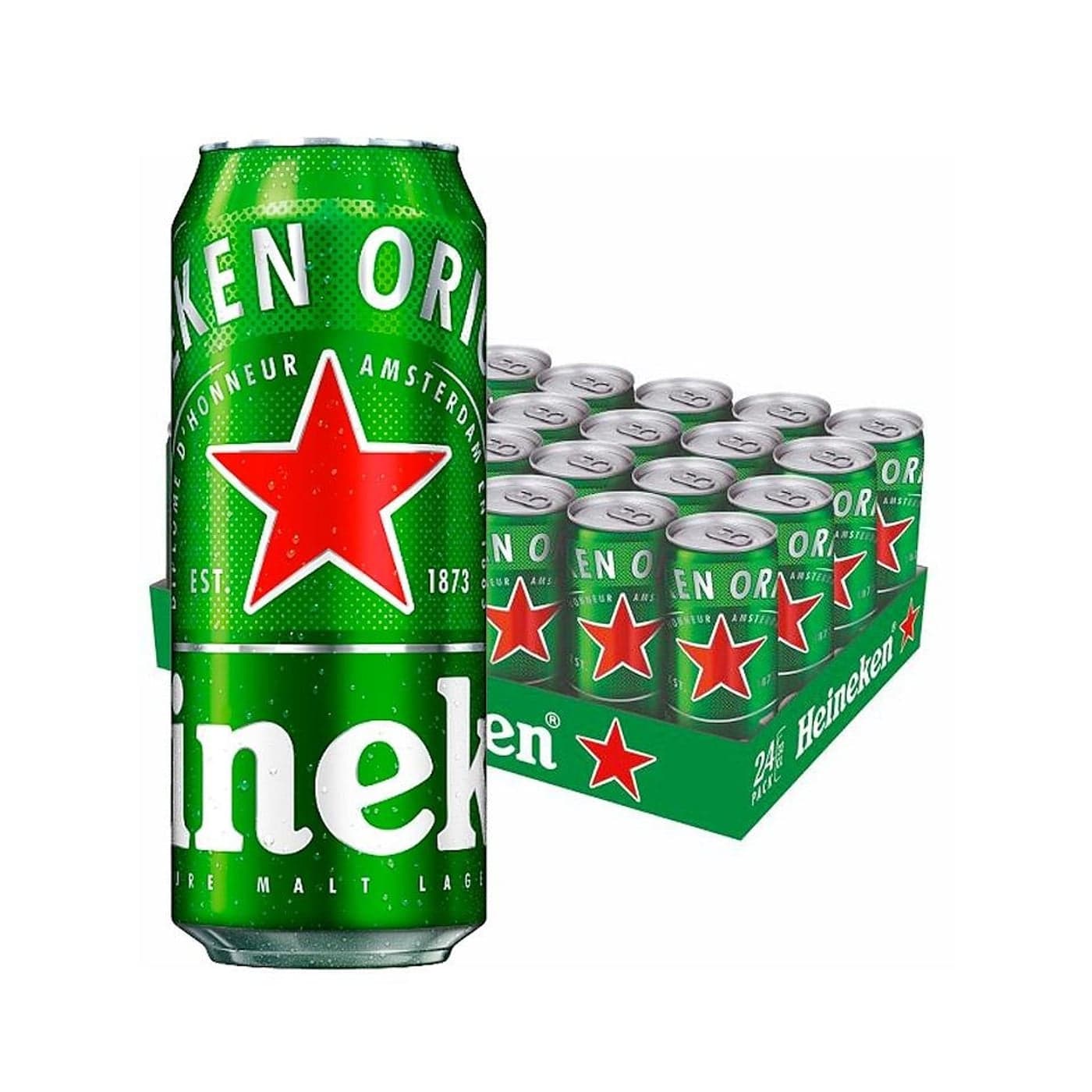
Heineken 500ml Imported Beer
Heineken 500ml Imported Beer is an imported beer from Heineken, made in International. Buy it online from Doctors of Whisky with insured delivery across Australia. Searching for heineken imported? This page lists the price, size and insured delivery details.
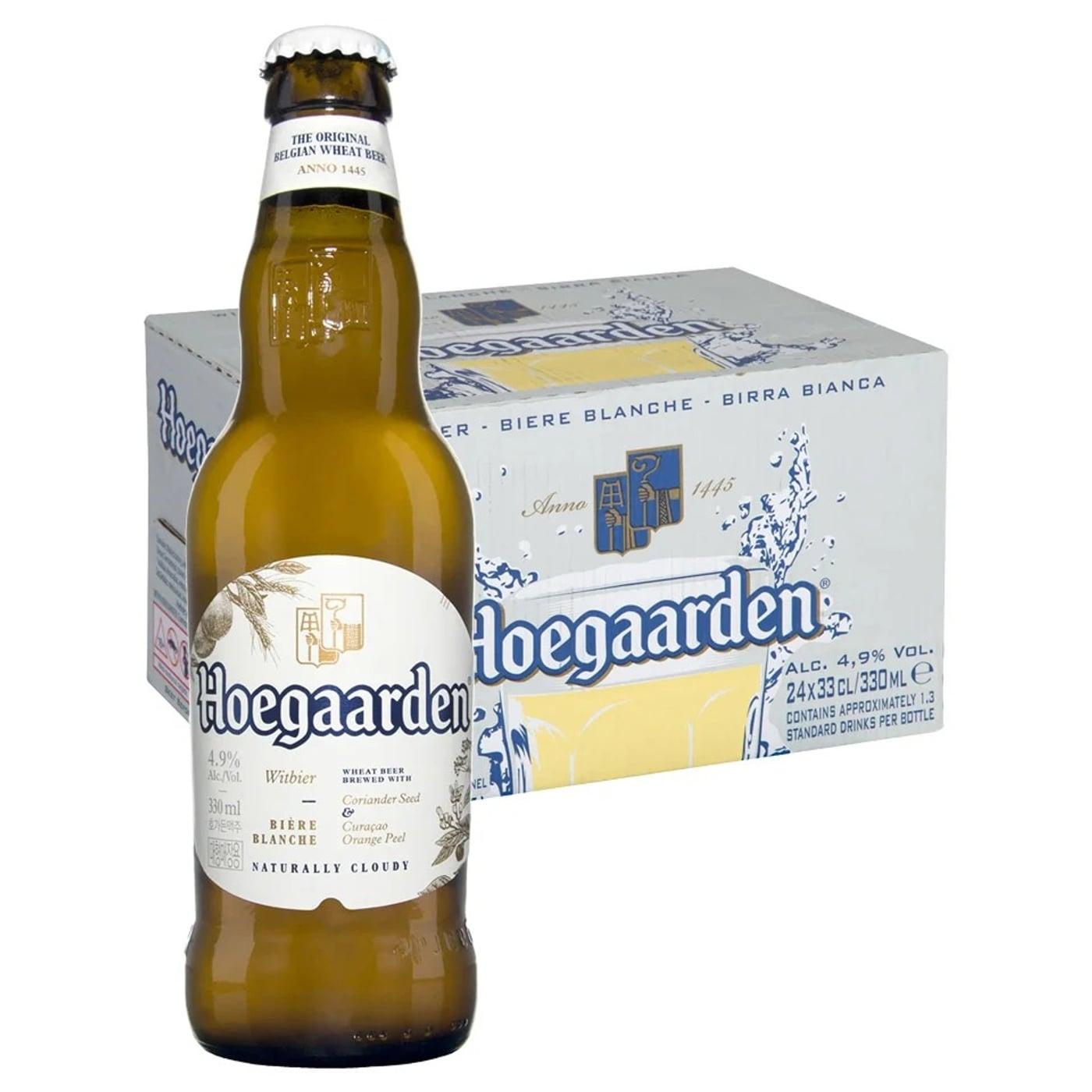
Hoegaarden Wheat Beer
Hoegaarden Wheat Beer (330ml (Case of 24)) is an imported beer from Hoegaarden, made in International. Buy it online from Doctors of Whisky with insured delivery across Australia.
Frequently asked questions
What is lager beer?
Lager is beer brewed with bottom-fermenting yeast at cool temperatures and conditioned cold. It tastes clean, crisp and smooth.
What is the difference between lager and ale?
Ale uses top-fermenting yeast at warmer temperatures and tastes fruitier. Lager uses bottom-fermenting yeast at colder temperatures and tastes cleaner.
Is imported beer better than Australian beer?
Not necessarily. Imported beer offers different styles, but local lagers are often fresher and better value.
Why does beer taste skunky?
Skunky beer is “lightstruck”. Sunlight reacts with hop compounds, especially in clear or green bottles.
How cold should lager be served?
Lager is best served at about 3 to 5 degrees Celsius in a clean glass.
How many standard drinks are in a bottle of beer?
A 330 mL bottle at 5% ABV is about 1.3 standard drinks.
Related searches: australian lager
Popular searches and tags
Sources and further reading
Related guides
What Is IPA Beer? India Pale Ale Explained for Australian Drinkers
5 min read
How Vodka Is Made: From Grain to Glass
5 min read
Irish Whiskey Guide: Bushmills, Redbreast and How Irish Whiskey Is Made
5 min read
Grey Goose vs Belvedere: Ultra-Premium Vodka Compared
4 min read
Toki Suntory Whiskey and the Rise of Japanese Whisky
7 min read
What Is Gin Made From? Juniper, Botanicals and How Gin Is Distilled
5 min read