What Is Single Malt Whisky? Single Malt vs Blended Scotch Explained
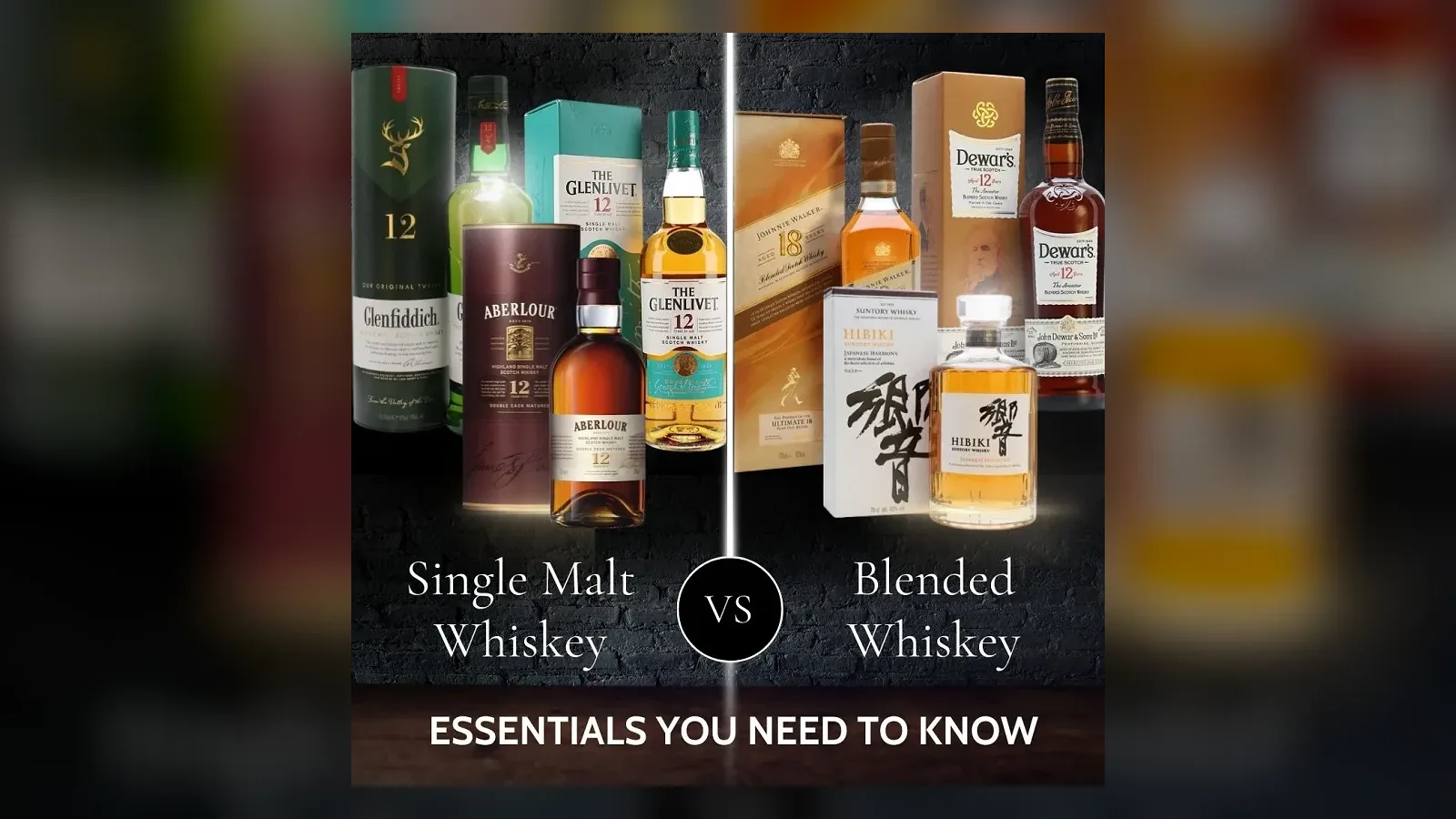
Every bottle of Scotch whisky sold in Australia falls into one of two broad camps: single malt or blended Scotch. The distinction isn’t marketing spin — it’s defined in law by the Scotch Whisky Regulations, and it has a real effect on flavour, price, and collectability.
A single malt Scotch whisky must be made at one distillery, from 100% malted barley, using pot stills, and matured in oak casks in Scotland for at least three years. Every batch reflects that distillery’s house style — the mineral salinity of an Islay malt, the honeyed fruit of a Speyside, or the heather-and-heather-honey character of the Highlands. Brands like The Macallan, GlenDronach, Glenfiddich, and Laphroaig are all single malts, and no two distilleries taste the same even when aged for the same number of years.
Blended Scotch, by contrast, combines single malt whiskies from multiple distilleries with grain whisky (typically made from wheat or corn in column stills). A master blender’s job is to balance dozens, sometimes over a hundred, individual malt and grain whiskies into a consistent, recognisable flavour profile batch after batch. Johnnie Walker and Royal Salute are the best-known examples — built for consistency and approachability rather than the single-distillery character of a malt.
Neither style is objectively “better.” Single malts tend to command higher prices and stronger collector interest because they’re scarcer and more distillery-specific, which is why rare single malt releases routinely outperform blends at auction. Blended Scotch, meanwhile, remains the world’s best-selling whisky category because it delivers reliable, food-friendly flavour at a lower price point.
When choosing between the two, think about the occasion: a rare single malt like a 25-year-old Macallan sherry oak release is a collector’s piece meant for slow sipping and cellaring, while a well-made blend is an everyday dram or a mixing whisky for cocktails. Both deserve a place in a well-stocked Australian whisky cabinet.
How do the Scotch whisky categories work?
Scotch whisky has five legally defined categories under the Scotch Whisky Regulations 2009: single malt, single grain, blended malt, blended grain and blended Scotch. Only the first and last are widely sold in Australia, but knowing all five stops you being caught out by an unfamiliar label.
Single malt means one distillery and malted barley only. Single grain means one distillery but other cereals are allowed. Blended malt combines single malts from several distilleries, blended grain combines single grains, and blended Scotch combines malt and grain whisky. If a bottle says “single malt” without “Scotch” it is worth checking the country of origin, because the term is also used by distillers in Japan, Ireland, India and Australia.
What do the regions of Scotland taste like?
Region gives you a first guess at flavour. Speyside malts such as Glenfiddich and Macallan lean fruity, honeyed and sherried, which is why they are the usual starting point. Highland malts range from coastal and salty to rich and oaky. Lowland whiskies are typically lighter and grassier, and Islay malts such as Laphroaig are famous for peat smoke, iodine and brine.
Treat this as a rule of thumb rather than a promise. Cask choice shifts flavour as much as geography does, so a sherry-matured Highland malt can taste closer to a Speyside than to its neighbours. Browse the full range in our Scotch whisky collection and compare tasting notes on each bottle page.
Explore: Shop single malt Scotch
What does an age statement really tell you?
An age statement is the age of the youngest whisky in the bottle, so a 12 year old contains nothing younger than twelve years. Older is not automatically better. Whisky matures differently in different casks, and a well-judged 12 year old can outclass a tired 18.
Age does affect scarcity and price, because every extra year costs the distillery evaporation (the “angels’ share”) and warehouse space. Bottles without an age statement (NAS) are not necessarily young. Many distilleries use NAS releases to blend across ages and cask types, and some of the most interesting experimental releases are NAS. Judge them on cask type, ABV and tasting notes instead.
Why does cask type matter so much?
Most of a Scotch’s colour and a large share of its flavour come from the cask. Ex-bourbon American oak adds vanilla, coconut and toasted sweetness. Ex-sherry European oak adds dried fruit, nuts, spice and a deeper colour. Peated malt, wine casks and rum finishes add further variations.
The Macallan is the best-known example of a sherry-led house style, which is why its whisky tends to be darker and richer than most Speyside peers. Read more in our guide to the Macallan sherry cask legacy. When two bottles share an age and region, the cask description on the label is the quickest way to predict which you will prefer.
Is blended Scotch worth buying?
Yes. Blended Scotch accounts for the large majority of Scotch sold worldwide, and the best blends are skilfully built rather than cheap compromises. A blender balances dozens of components so that every batch of a label tastes the same, which is a harder trick than it sounds.
Premium blends such as Johnnie Walker’s older expressions and Royal Salute show how much malt content and age can lift a blend. Blends also suit mixed drinks, highballs and large gatherings where a single malt’s nuance would be lost. If you want a bottle for guests rather than a bottle to study, a quality blend is often the smarter buy.
How should you taste and serve Scotch?
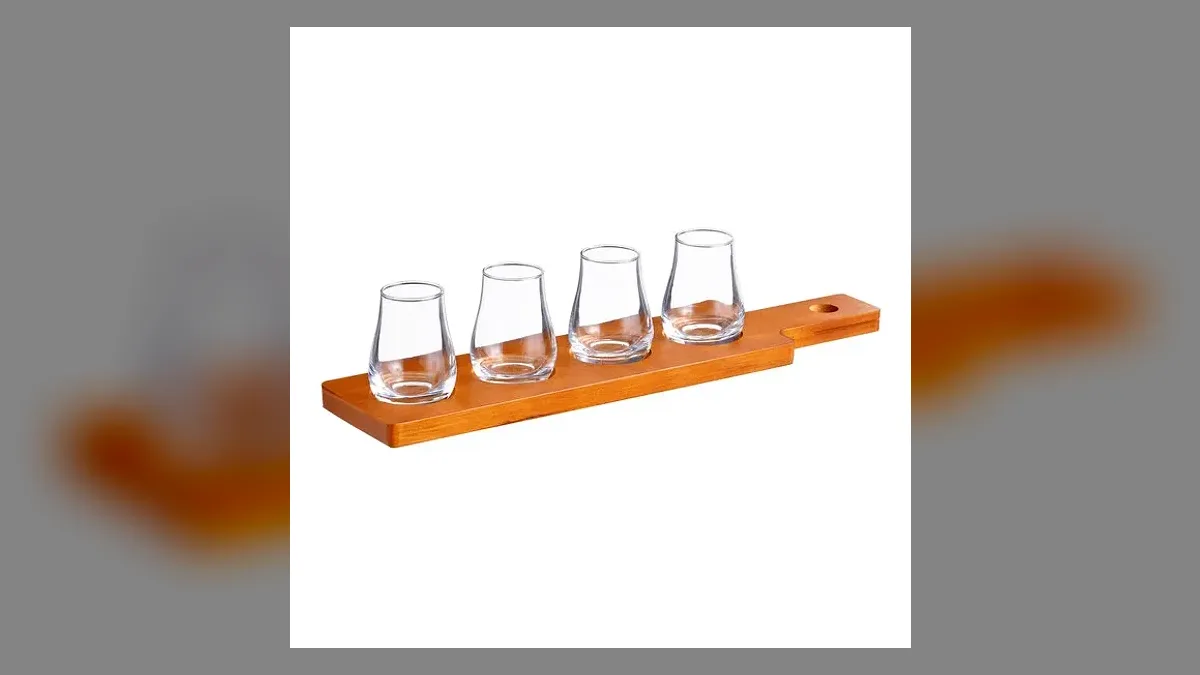
Use a tulip-shaped glass if you have one, pour a small measure and nose it before tasting. Sip it neat first, then add a few drops of room-temperature water, which opens up aromas and softens the alcohol. Ice mutes flavour, so save it for blends and highballs.
Pair with dark chocolate, aged cheese, roasted nuts or dried fruit. If you are new to whisky, start with a lower-peat Speyside single malt, then work towards Highland and Islay styles as your palate develops.
How do you choose your first bottle in Australia?
Decide first how you will drink it. For sipping, choose a 12 year old Speyside single malt. For mixing and entertaining, choose a respected blended Scotch. For a gift, a recognisable name in a gift box usually lands better than an obscure bottle, however good.
Check the ABV (40 to 46 per cent is typical), the age statement and whether the bottle is chill-filtered or natural colour. Buyers must be 18 or over. If you would like to start with a bottle that is sherry-matured, see the best Macallan expressions or explore how to store whisky once you open it.
What are the most common Scotch whisky myths?
Older is always better: not so. Age adds oak and softness, but a 12 year old from a great cask can beat a tired 21. Single malt is always superior: it is a different style, not a higher grade, and some blends cost more than many single malts. Scotch is always smoky: only peated whisky is, and most Speyside and Highland malts have little or no peat.
Adding water or ice ruins it: a few drops of water is standard practice among distillers and blenders, and ice is a personal choice. A darker colour means an older whisky: colour comes from the cask, and Scotch law allows plain caramel colouring, so colour alone tells you little.
What do cask strength, chill-filtered and natural colour mean?
Cask strength (or barrel proof) whisky is bottled without being diluted, usually at 50 to 65 per cent ABV. It is intense and rewards water. Chill filtration removes fatty compounds so whisky stays clear when cold. Non-chill-filtered whisky is bottled at 46 per cent or more and can look hazy with ice, but many drinkers prefer the extra texture.
Natural colour means no caramel has been added. NAS stands for no age statement. These terms help you compare two bottles of the same age and decide what you are paying for.
What makes a good Scotch whisky gift?
For a first-time whisky drinker, choose a well-known 12 year old Speyside single malt or a premium blend in a gift box. For someone who already enjoys whisky, a cask-strength bottle, a sherry-matured release or a limited edition shows thought. Miniature or tasting sets let a friend try several styles.
Check the recipient’s taste if you can: smoky Islay malts divide opinion. Browse options in our Scotch whisky collection. Buyers must be 18 or over.
Buy Scotch Whisky online in Australia
View collection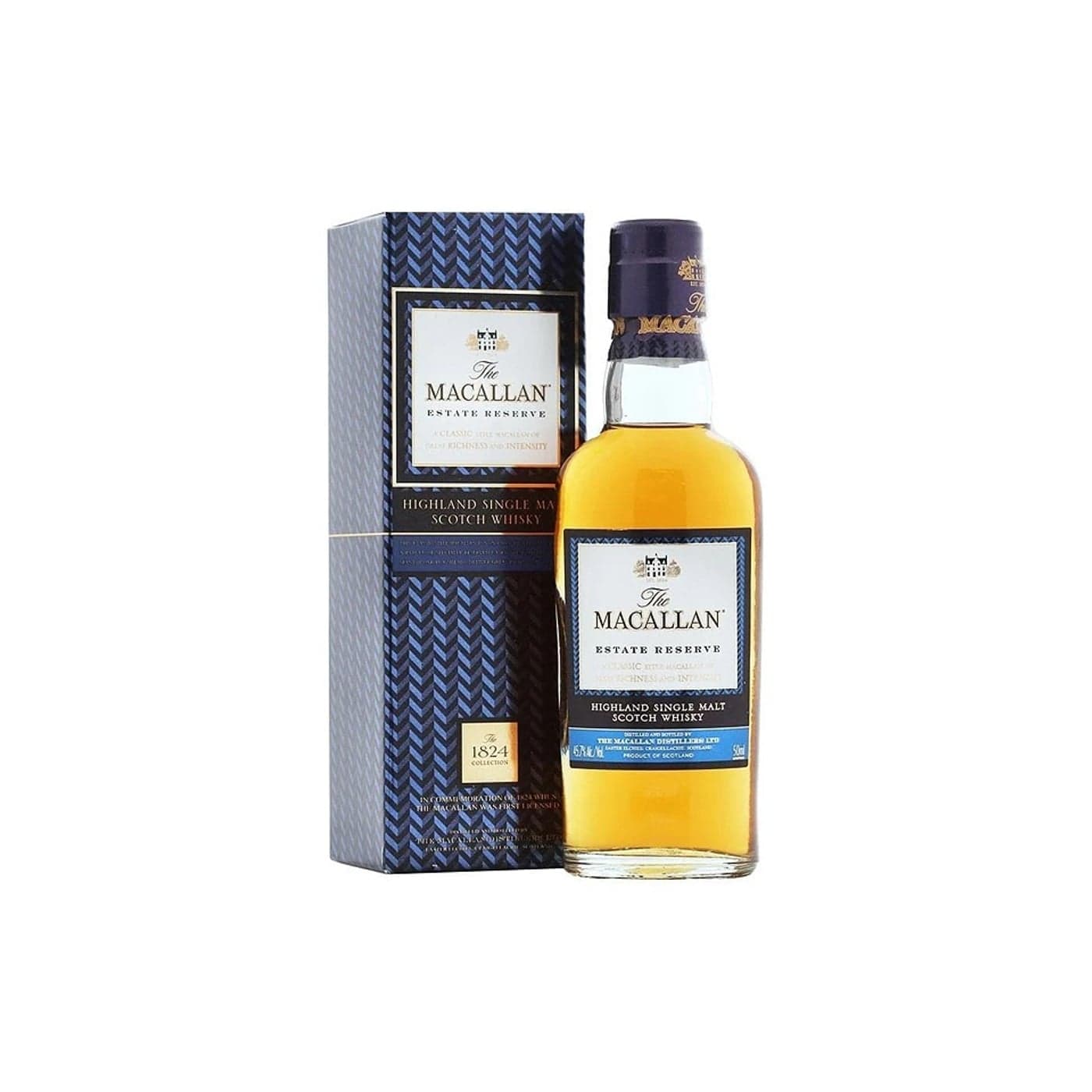
The Macallan 25 Year Old Sherry Oak Single Malt
The Macallan 25 Year Old Sherry Oak Single Malt: An iconic masterwork of Speyside distillation. Matured exclusively in hand-picked sherry seasoned oak casks from Jerez, Spain for a quarter of a century. Rich, dark mahogany hue with unparalleled dried fruit richness and wood smoke complexity.
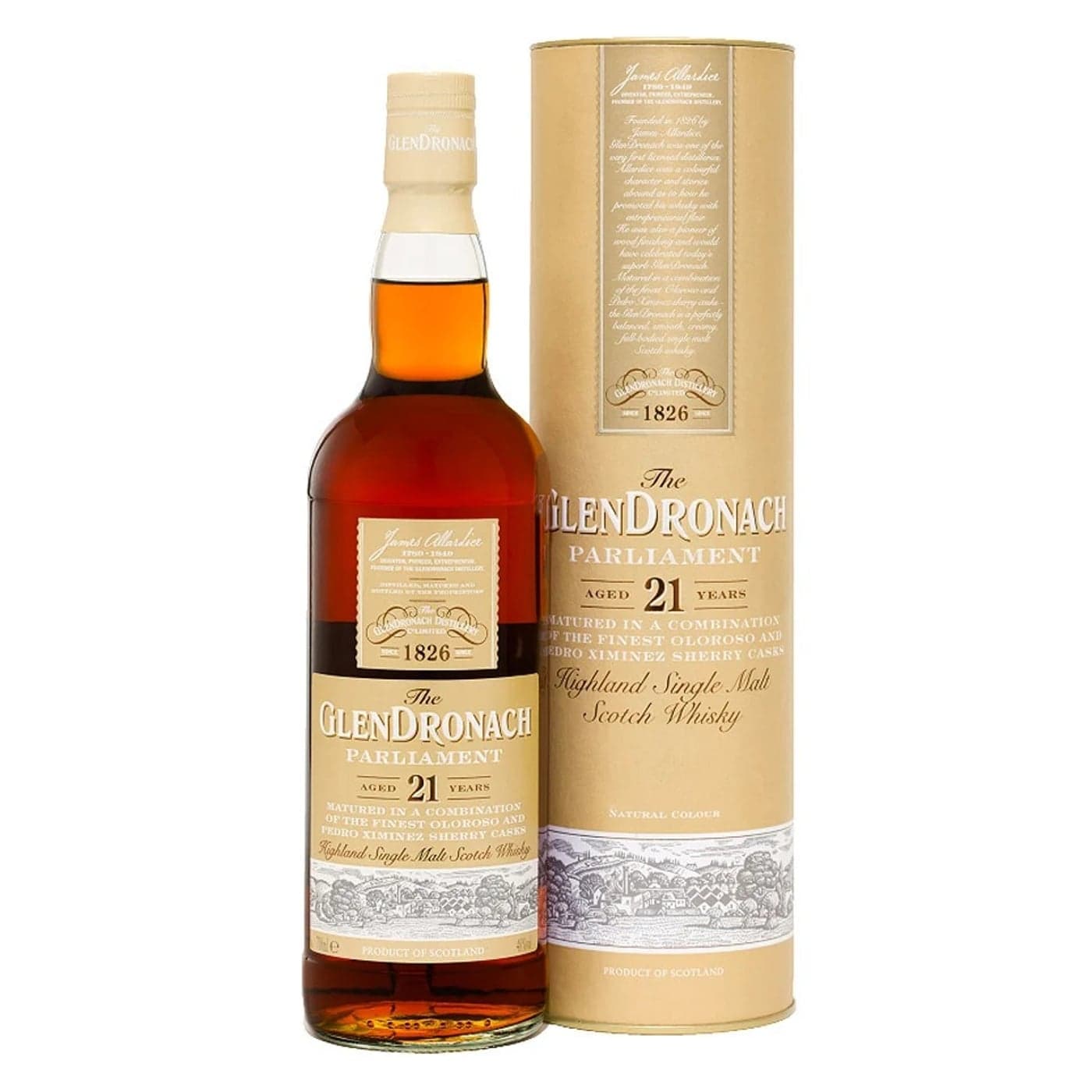
The GlenDronach 1993 26 Year Old Single Cask Batch 18
The GlenDronach 1993 26 Year Old Single Cask Batch 18: Distilled on 11th June 1993 and matured in a single Pedro Ximénez sherry puncheon for 26 years. Bottled at natural cask strength without chill filtration. A quintessential Highland sherry monster.
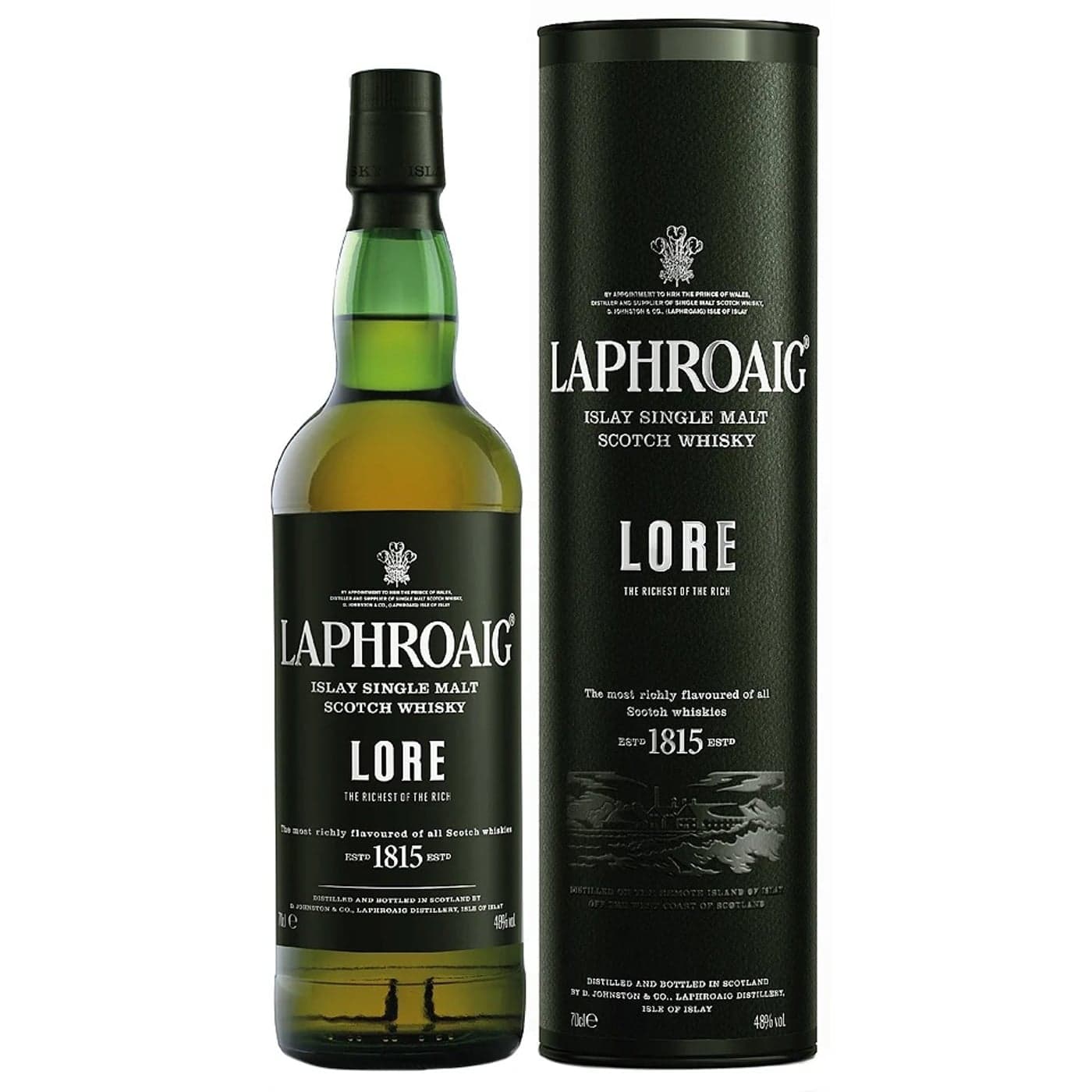
Laphroaig 30 Year Old The Ian Hunter Story Book 2
Laphroaig 30 Year Old The Ian Hunter Story Book 2: Set within an exquisite hardbound book. Non-chill filtered single malt aged for three full decades in Spanish oak Oloroso sherry casks.
Frequently asked questions
What is single malt whisky?
Single malt whisky is made at one distillery from malted barley and water, distilled in pot stills. For Scotch it must also be matured in oak casks in Scotland for at least three years and bottled at 40% ABV or higher.
Is single malt better than blended Scotch?
Not automatically. Single malt shows one distillery’s character and usually costs more, while blended Scotch aims for balance and consistency. Many blends are excellent value, and the better choice depends on how you plan to drink it.
Does single malt mean one cask?
No. Single malt means one distillery, not one cask. A single cask release is a separate type of bottling where every bottle comes from the same cask.
Why is single malt whisky more expensive than blended?
Single malts usually come from a single distillery’s stock, often use older whisky and have smaller production runs than blends, so the cost per bottle is typically higher.
What is the best single malt for beginners?
A smooth Speyside single malt aged 12 years, such as Glenfiddich or Macallan, is a popular starting point because it is fruity, mellow and easy to sip.
How long does opened Scotch last?
An opened bottle that is stored upright, sealed and kept out of direct sun will stay enjoyable for years, but flavour can dull gradually once the bottle is less than about a third full.
Related searches: scotch beverage
Popular searches and tags
Sources and further reading
Related guides
Soju Alcohol Percentage and Guide: Korea’s Most Popular Spirit
4 min read
Macallan Whisky: Inside The Macallan’s Sherry Cask Legacy
6 min read
Is Champagne Sparkling Wine? Champagne vs Sparkling Wine vs Port
5 min read
How to Properly Store and Cellar Rare Whisky in Australia
5 min read
Malibu Rum and Coconut Rum: What They Are and How to Drink Them
5 min read
A Beginner’s Guide to Investing in Rare Whisky
7 min read