Investing in Whisky: A Beginner’s Guide to Investing in Rare Whisky
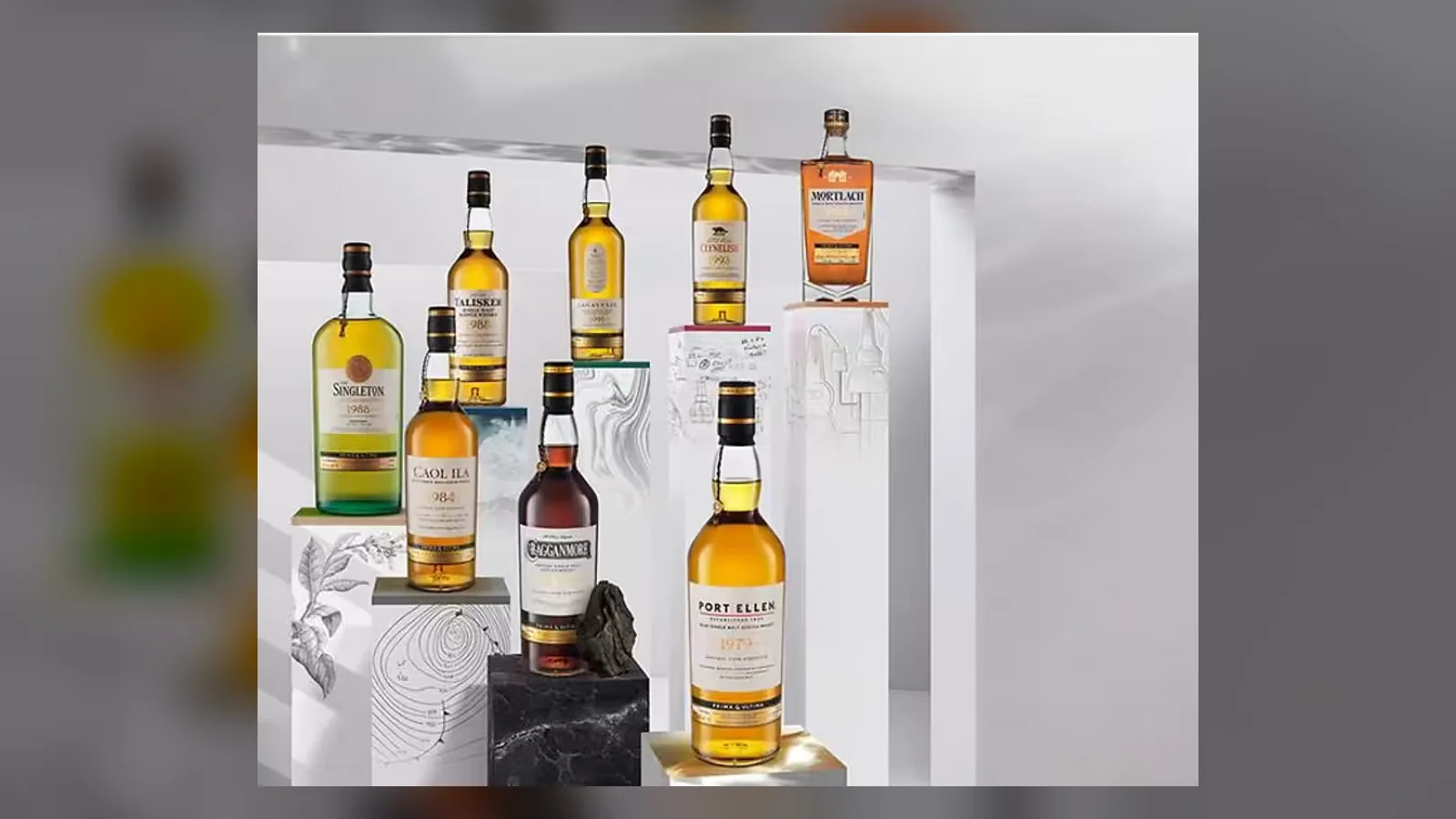
Investing in whisky means buying rare or collectable bottles in the hope they rise in value, and it carries real risk. Provenance, condition and authenticity drive price, and selling can take time. This is general information, not financial advice.
Rare whisky investing grew rapidly over the 2010s, driven by index tracking (like the Knight Frank Rare Whisky Index) showing double-digit annual returns for top-tier collectable bottles, particularly limited releases from The Macallan, closed distilleries, and single-cask Japanese whisky.
Provenance is everything in this market. A bottle’s value depends heavily on verified fill level, label condition, original packaging, and a clean chain of ownership — which is exactly why reputable sellers physically inspect and authenticate every bottle before resale, and why buying from unverified private sellers carries real risk of counterfeits, particularly for the most sought-after Macallan and Japanese releases.
Storage conditions directly affect resale value too: a bottle stored in a stable, cool, dark environment with an intact seal and minimal evaporation (“ullage”) will always command a higher price than an identical bottle that’s been left in a hot garage or direct sunlight, even if neither has ever been opened.
Liquidity is the category’s biggest practical drawback compared to traditional investments — selling a rare bottle quickly, at a fair price, generally requires access to specialist auction houses or collector networks, not a quick trade on an open exchange, so rare whisky is better suited to patient, multi-year holding than short-term speculation.
For beginners, the safest starting point is well-known, already-established collectable categories — discontinued age-stated releases from major distilleries, limited single-cask bottlings, or brands with a long auction track record — rather than chasing speculative new releases with no price history to evaluate.
Is rare whisky a good investment?
Prices for rare whisky rose strongly through the 2010s and early 2020s, and some bottles have sold at auction for six or seven figures. But it is an alternative asset, not a guaranteed one. Prices can fall as well as rise, markets cool, and the whisky you buy may be hard to sell at the price you expect.
This guide is general information only and is not financial advice. Speak to a licensed adviser and consider your tax situation before investing significant money.
What makes a bottle valuable?
Scarcity, age, distillery reputation, cask type, packaging and condition. Closed or rare distilleries, limited releases and old age statements are strong candidates, and distilleries such as The Macallan, Springbank, Karuizawa and Yamazaki have long track records. Special releases such as the Macallan Rare Cask or Harmony Collection attract collectors.
Condition matters as much as rarity. The label, box, capsule, cork and fill level all affect value. A pristine bottle can be worth far more than a damaged one of the same release.
Why does provenance matter?
Provenance is the documented history of a bottle, showing where it came from and who owned it. A bottle with clear provenance, receipts and original packaging is easier to sell and carries less risk of being fake.
Counterfeits and refilled bottles exist in the rare whisky market, particularly for the most valuable names. Buy from established retailers, auction houses and dealers with authentication processes, and be sceptical of any price that seems too good to be true.
What are the costs and risks?
Costs include storage, insurance, shipping, and buyer’s and seller’s fees at auction or through a dealer. Liquidity is the main practical drawback. Unlike shares, you cannot sell a bottle instantly, and the best price often takes weeks or months.
Other risks include price swings, fraud, damage and changing tastes. Cask investment schemes, where you buy a cask of whisky that matures in a warehouse, have attracted regulator warnings in several countries, so take particular care with unregulated offers.
How should you store collectable bottles?
Keep bottles upright, in a cool, dark place at a stable temperature, with original boxes and tubes. Moderate humidity helps protect labels and corks, and a locked cabinet or professional storage is sensible for high-value bottles.
Our detailed guide to storing and cellaring whisky covers temperature, light, humidity and fill levels.
Which bottles do beginners buy?
Beginners often start with established names and limited releases that collectors already follow, such as older Macallan, GlenDronach single cask releases, Glenfiddich limited editions, Laphroaig and Nikka or Yamazaki Japanese whisky. See the Macallan 25, a GlenDronach 1993 single cask and the Yamazaki 18.
Browse the rare range in our Scotch whisky collection and Japanese whisky collection.
Explore: Shop rare Scotch · Shop Japanese whisky
How should a beginner get started?
Set a budget you can afford to leave untouched for years, research the market and buy only bottles you would be happy to drink. Start small, keep records and diversify across distilleries and regions. Learn about the Macallan’s sherry cask legacy and why Japanese whisky became a global obsession.
Remember that whisky is first and foremost a drink. Buyers must be 18 or over.
Where do you buy and sell rare whisky?
Retailers sell new releases and stocked bottles, auction houses and online auctions handle the secondary market, and dealers and brokers specialise in rare bottles. Each has different fees and risks. Auctions can give the best price but charge buyer’s and seller’s fees, while dealers offer convenience but usually take a margin.
Check reviews and track records, ask for authentication, and compare fees before you commit. When selling, factor in time, because a bottle may take weeks or months to sell at the price you want.
What are the red flags to watch for?
Prices far below market, sellers who refuse to provide extra photos or batch codes, bottles with missing or damaged seals, inconsistent label printing, a low or unusual fill level and vague provenance are all warning signs. Be careful with private sales and social media offers.
If in doubt, walk away. A genuine bargain is rare, and a fake bottle is worthless.
What about tax, insurance and record keeping?
Tax treatment can depend on your circumstances and how you hold and sell the whisky, so speak to a tax adviser before buying significant bottles. Keep receipts, photos and condition notes for each bottle, since they support provenance and insurance claims.
Check whether your home and contents insurance covers alcohol and collectables, and what limits apply. If not, specialist cover may be available. This is general information only and not financial advice.
What are the alternatives to buying rare bottles?
Instead of rare bottles, some people choose to buy well-known, widely available whisky and drink it, which has no investment risk. Others buy limited releases from distilleries they like, with the main aim of enjoyment and a possible bonus if values rise.
Cask investment schemes and whisky funds exist, but they carry their own risks and fees, so research them carefully and seek independent advice. Traditional investments such as shares and bonds are regulated and more liquid. Whisky should be a small part of a broader plan.
What is a sensible way to start collecting?
Choose a theme, such as a favourite distillery, a region or a style, and buy bottles you love. Set a budget and a limit, record every purchase and store bottles properly. Join a whisky society, attend tastings and learn from other collectors.
Buy two bottles of favourite releases when you can, one to drink and one to keep. If you decide to sell, you will have enjoyed the whisky regardless. See our Scotch whisky collection and Japanese whisky collection. Buyers must be 18 or over.
Buy Scotch Whisky online in Australia
View collection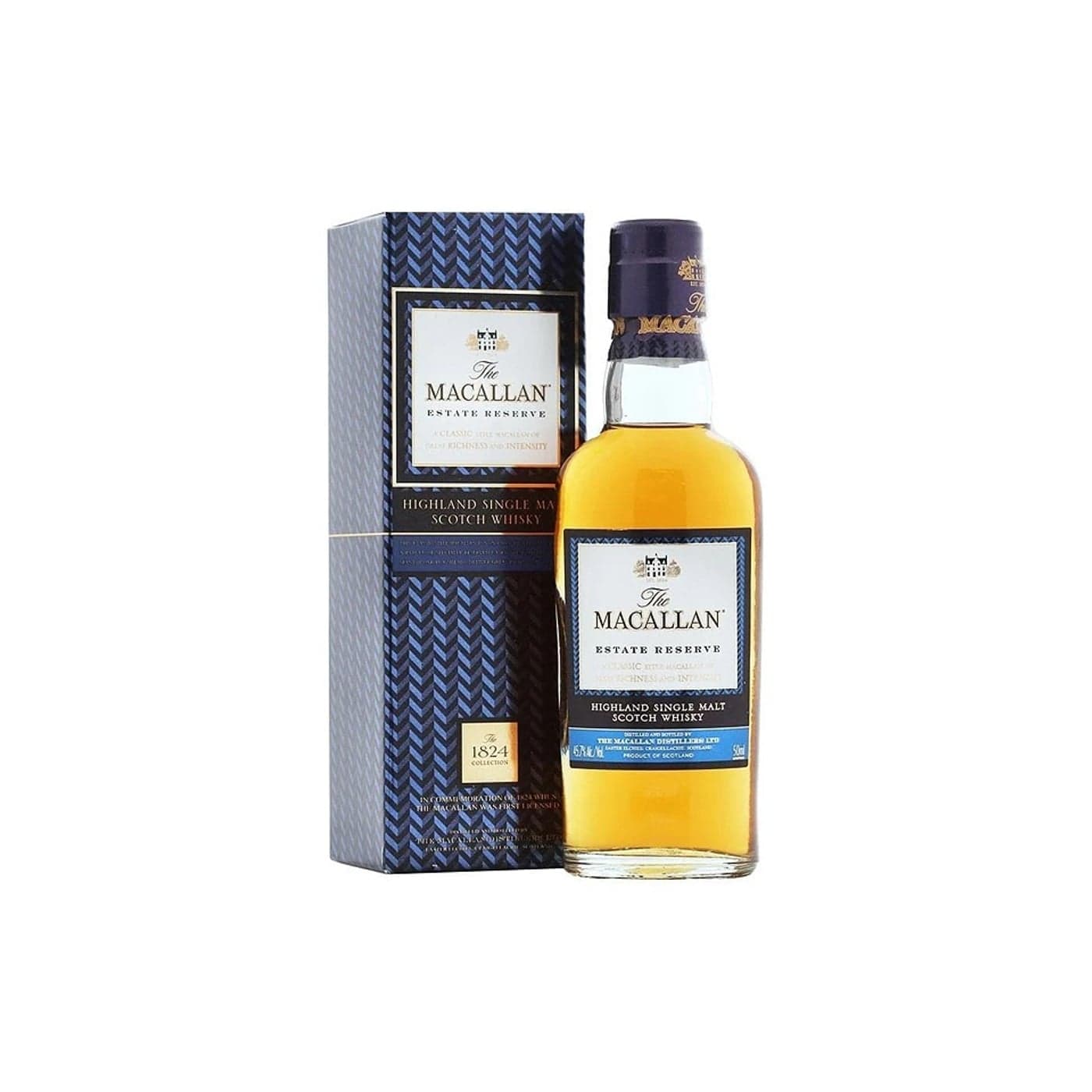
The Macallan 25 Year Old Sherry Oak Single Malt
The Macallan 25 Year Old Sherry Oak Single Malt: An iconic masterwork of Speyside distillation. Matured exclusively in hand-picked sherry seasoned oak casks from Jerez, Spain for a quarter of a century. Rich, dark mahogany hue with unparalleled dried fruit richness and wood smoke complexity.
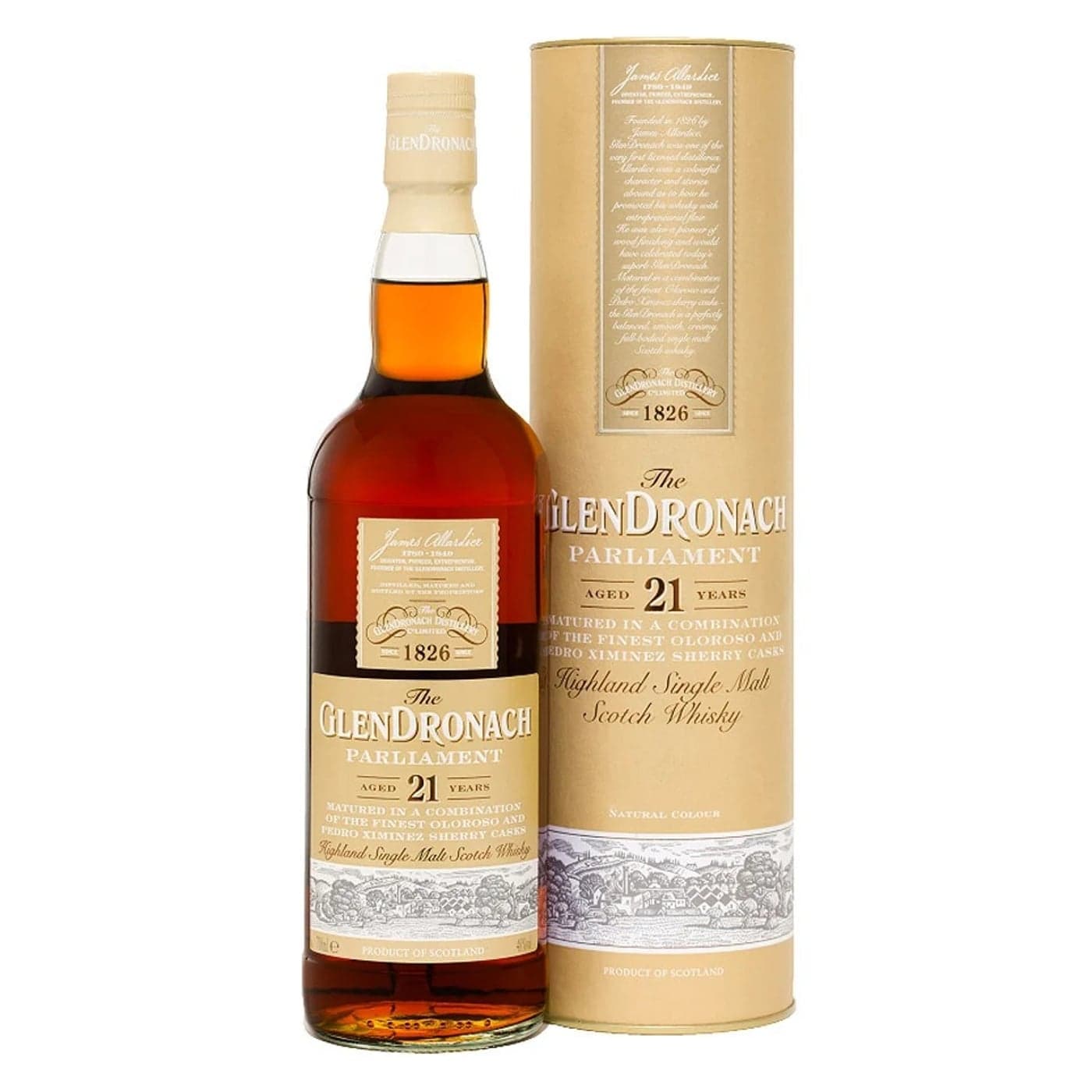
The GlenDronach 1993 26 Year Old Single Cask Batch 18
The GlenDronach 1993 26 Year Old Single Cask Batch 18: Distilled on 11th June 1993 and matured in a single Pedro Ximénez sherry puncheon for 26 years. Bottled at natural cask strength without chill filtration. A quintessential Highland sherry monster.
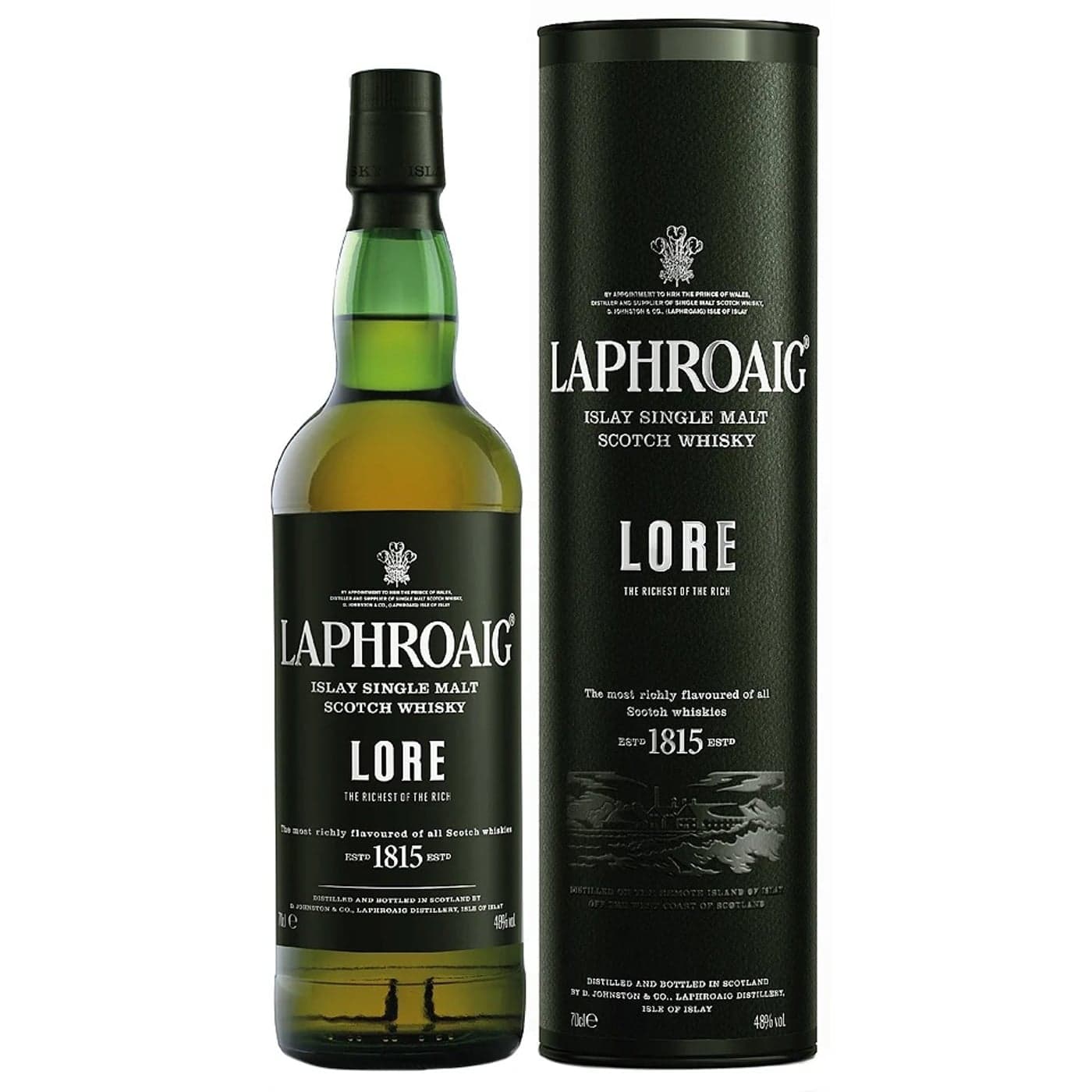
Laphroaig 30 Year Old The Ian Hunter Story Book 2
Laphroaig 30 Year Old The Ian Hunter Story Book 2: Set within an exquisite hardbound book. Non-chill filtered single malt aged for three full decades in Spanish oak Oloroso sherry casks.
Frequently asked questions
Is investing in rare whisky safe?
No investment is risk-free. Rare whisky prices can fall, bottles can be fake, and selling can take time, so only invest what you can afford to leave.
What makes whisky valuable?
Scarcity, age, distillery reputation, cask type and condition, including the label, box and fill level.
How do I avoid fake whisky?
Buy from reputable retailers and auction houses, check packaging and fill level, and keep provenance records. Be wary of prices that seem too good to be true.
How should I store collectable whisky?
Store it upright in a cool, dark place at a stable temperature with the original box, and protect it from sunlight.
Is whisky cask investment a good idea?
Cask schemes can be risky and have attracted regulator warnings. Research carefully and seek independent advice.
Is this financial advice?
No. This is general information, and you should speak to a licensed financial adviser before investing.
Related searches: whisky red label johnnie walker
Popular searches and tags
Sources and further reading
Related guides
How to Properly Store and Cellar Rare Whisky in Australia
5 min read
White Wine Sauvignon Blanc: Styles, Low Alcohol Options and Food Pairing
5 min read
Macallan Whisky: Inside The Macallan’s Sherry Cask Legacy
6 min read
What Is Rye Whiskey? A Beginner’s Guide to Rye
5 min read
What Is Single Malt Whisky? Single Malt vs Blended Scotch Explained
6 min read
Sparkling Rosé and Everything You Need to Know About Rosé Wine
4 min read